Topic Hub

Clinical AI & Patient Care

AI's true impact on healthcare emerges at the point of care, where physicians and other clinical professionals make decisions that affect patient outcomes. These conversations explore the trust dynamics between clinicians and AI systems, the irreducible human elements of medicine, and how technology can support rather than replace clinical judgment.

Clinical AI & Patient Care at a Glance

Clinical AI is AI deployed at the point of care — emergency departments, clinics, hospital floors — where speed, judgment, and patient safety matter more than model accuracy in isolation. The trust gap between physicians and AI systems determines whether deployments stick or stall.

  • Who this matters to: emergency physicians, primary care clinicians, clinical informaticists, chief medical information officers (CMIOs), and patient-safety leaders at hospitals, academic medical centers, and ambulatory networks
  • 7 featured episodes below: physician-patient dynamics (EPs 1 & 2, Dr. Barry Chaiken), language access (EP 8, Carol Velandia), complete medical records (EP 13, Aleida Lanza), human judgment (EP 15, Dr. Mark Gendreau), AI in the ER (EP 20, Dr. Natasha Dole), and caregivers as connective tissue (EP 21, Amanda Roser)
  • Frameworks referenced across these episodes: FDA Software as a Medical Device (SaMD) guidance, WHO Ethics and Governance of AI for Health, AHRQ patient-safety standards, and the AMA's clinical AI principles
  • Why it matters: Models trained on incomplete EHR data and deployed without clinician explainability create silent failure modes that no AUROC metric catches at validation time

Where Technology Meets the Irreducible Complexity of Care

Clinical care differs fundamentally from many domains where AI has proven transformative. Medicine requires physicians to synthesize incomplete information, weigh competing risks, manage uncertainty, and make decisions with incomplete data about outcomes that matter to specific people in specific moments. An AI system can accurately identify patterns in imaging or predict which patients might develop certain conditions, but it cannot replace the physician's responsibility to navigate what that information means for the patient sitting across the table.

The physician-AI trust gap emerges from this reality. Clinicians adopt AI when it demonstrably reduces their burden, when they understand why the system makes particular recommendations, and when they retain agency to override the system when clinical judgment demands it. Trust breaks when AI recommendations come without explanation, when systems fail silently in edge cases, or when organizations implement AI in ways that increase administrative burden while claiming to increase efficiency. Rebuilding broken trust requires transparency about what models can and cannot do, demonstrated reliability over time, and genuine respect for clinician expertise.

Emergency medicine reveals the tensions at maximum intensity. Emergency physicians make rapid decisions with high consequences using incomplete information while managing patient flow, staffing constraints, and real-world chaos. An AI system that scores 95%+ AUROC in academic evaluation may fail spectacularly when deployed in a real emergency department running 80+ patients per shift, where patients don't fit classification schemas cleanly and clinicians must adjust recommendations based on unfolding events. Real emergency care demands systems that support rapid decision-making rather than systems that constrain physician autonomy during high-stakes moments.

Complete medical records form a prerequisite for trustworthy clinical AI that almost no healthcare organization has achieved. Clinical decision-making depends on historical context, medication lists, allergy information, prior test results, and specialist notes scattered across multiple systems, many of which don't communicate. AI systems trained on incomplete records learn patterns based on the data available rather than the data that matters clinically. This gap between available data and clinically complete data creates a hidden reliability problem that model metrics never capture.

Language access and health equity represent human elements that AI cannot replace. Patients who don't speak English fluently require translators or interpretation services who do more than translate words. Effective communication about diagnosis, treatment options, and patient values involves cultural competence, attention to power dynamics, and genuine understanding of what patients are experiencing. AI that bypasses these human connections for efficiency gains often fails to serve the patients most vulnerable to poor outcomes.
Featured Episodes

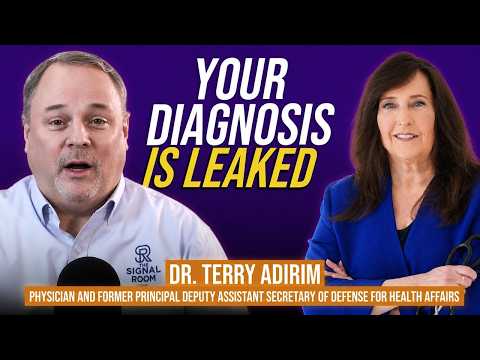
Dr. Terry Adirim episode
Dr. Terry Adirim
Don't Upload Your Medical Record to ChatGPT
Why your full medical record should never go into a general AI chatbot, who's accountable when AI enters the exam room, and how to be a prepared patient.
Dr. Barry Chaiken episode
Dr. Barry Chaiken
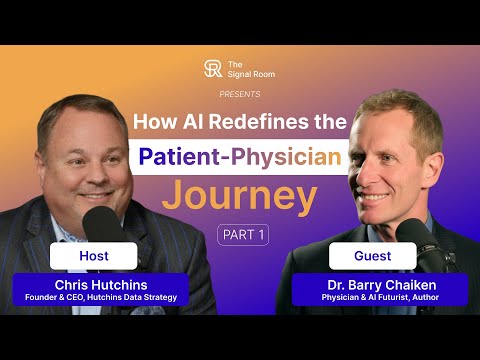
How AI Redefines the Patient-Physician Journey Part 1
Exploring how AI reshapes the relationship between physicians, patients, and clinical decision-making.
Dr. Barry Chaiken episode
Dr. Barry Chaiken
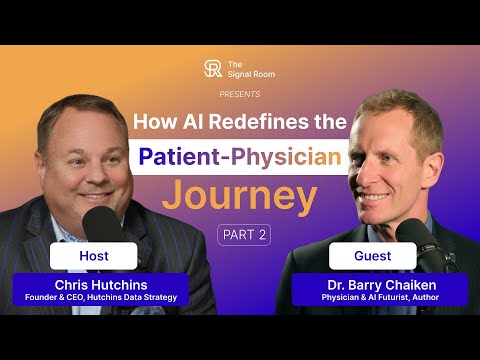
How AI Redefines the Patient-Physician Journey Part 2
Continuing the conversation on physician-patient dynamics in an AI-augmented clinical environment.
Carol Velandia episode
Carol Velandia
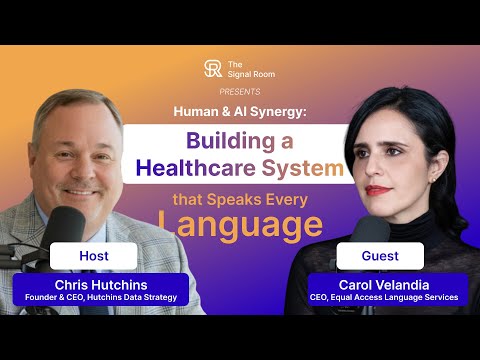
AI Can't Replace Language Access
Why effective communication with limited English proficient patients requires humans, not algorithms.
Aleida Lanza episode
Aleida Lanza
Healthcare AI Fails Without Complete Medical Records
The data completeness problem and its ripple effects on AI reliability and clinical trust.
Dr. Mark Gendreau episode
Dr. Mark Gendreau
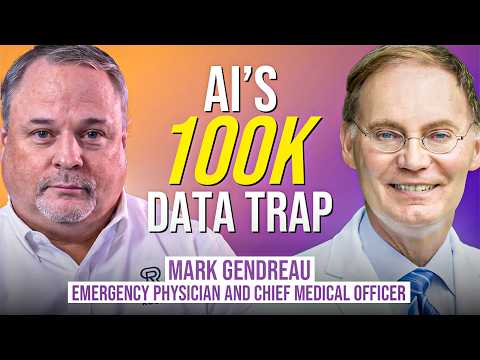
Balancing Human Judgment and Clinical Trust
How to preserve physician autonomy and clinical judgment while leveraging AI recommendations.
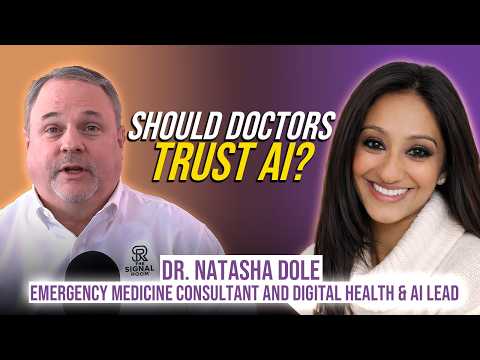
Dr. Natasha Dole episode
Dr. Natasha Dole
The Scary Truth About AI in the ER
Emergency medicine demands rapid decisions with incomplete information. How AI fits into that reality.
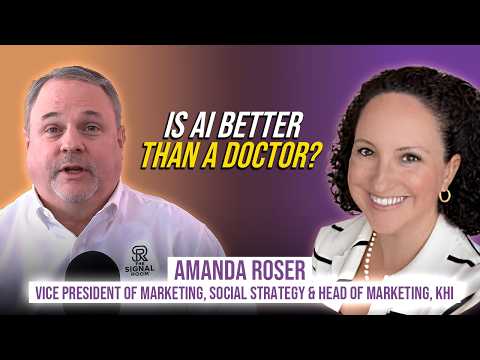
Amanda Roser episode
Amanda Roser
Caregivers as the Connective Tissue of Healthcare
The human glue that holds clinical teams together and why caregiving cannot be automated away.

Why This Matters

Patient safety and care quality ultimately depend on whether clinical teams trust AI enough to use it thoughtfully and whether they maintain the human connections that medicine fundamentally requires. Healthcare leaders who understand the clinical reality of care delivery can implement AI in ways that support rather than undermine physician practice. This perspective distinguishes organizations that deploy AI to serve patients from those that deploy AI to claim innovation. Hutchins Data Strategy Consultants advises healthcare leaders on turning these clinical-AI decisions into operating practice — see their work on healthcare AI consulting.

Related guide: Clinical AI and Patient Care Podcast