Topic Hub

AI Ethics & Governance

Technology deployments without governance structures and ethical frameworks create problems that no amount of engineering can solve. These conversations explore what responsible AI governance looks like in practice, how ethical leadership differs from ethical rhetoric, and the accountability mechanisms that keep healthcare organizations honest about AI deployment decisions.

Healthcare AI Governance at a Glance

Healthcare AI governance is the operating discipline that makes AI deployments accountable, explainable, and clinically defensible. It is the difference between an ethics committee that meets quarterly and one that can delay or block a deployment when scrutiny demands it.

  • Who this matters to: chief medical officers (CMOs), AI governance leads, ethics committee chairs, and clinical informatics leaders at academic medical centers, regional payers, and health tech firms
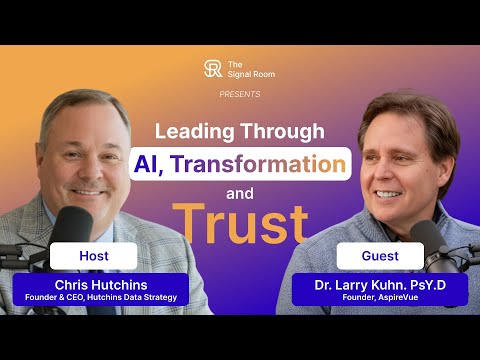
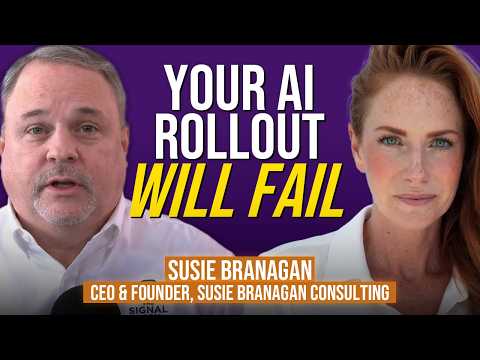
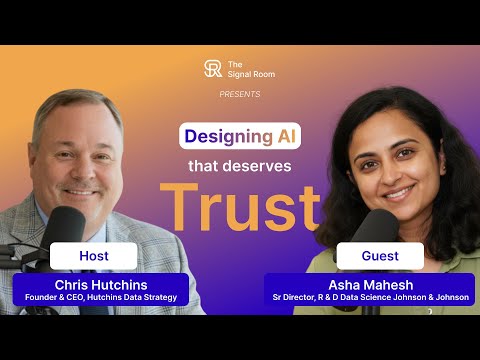
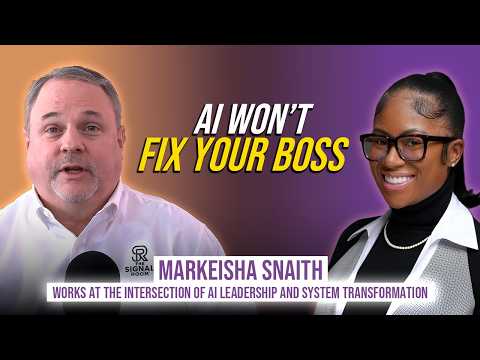
  • 4 featured episodes below: the human-AI leadership equation (EP 4, Dr. Larry Kuhn), human-centered governance (EP 7, Susie Branagan), ethical leadership in practice (EP 12, Asha Mahesh), and governance under operational reality (EP 22, MarKeisha Snaith)
  • Frameworks referenced across these episodes: NIST AI Risk Management Framework, WHO Ethics and Governance of AI for Health, FDA Software as a Medical Device (SaMD) guidance, and IEEE Ethically Aligned Design
  • Why it matters: Without operational governance, “AI ethics” becomes marketing copy — and the real consequences land on patients and clinical teams when AI systems fail silently or amplify documentation bias

Governance Without Teeth Is Performance

Healthcare AI governance differs from many organizational compliance functions because the consequences of failures ripple into patient care, clinical team burnout, and erosion of public trust. Yet many healthcare organizations approach governance as a checkbox, creating ethics committees that meet quarterly while service-line leaders continue deploying AI systems with minimal review by clinical informatics, compliance, or patient safety. True governance means that proposed AI deployments face scrutiny before implementation, that governance committees have real authority to delay or block projects, and that organizations accept the costs of slowing down for better decision-making.

Human-centered governance starts by asking what humans need from AI systems rather than what technology companies claim AI systems can provide. This inversion matters because vendor narratives often emphasize capability and scale at the expense of human agency, transparency, and maintainability. Human-centered frameworks explicitly protect physician autonomy, ensure clinical teams understand how systems reach recommendations, and create pathways for clinicians to override or escalate when AI recommendations conflict with clinical judgment. These protections require architects to design systems that are interpretable rather than merely accurate, even when interpretability means accepting lower statistical performance.

Ethical leadership extends beyond individual virtues to structural choices that make ethical behavior easy and unethical behavior difficult. A leader who espouses AI ethics while pressuring teams to deploy unvalidated systems sends the signal that ethics matters only when convenient. Ethical leadership in AI means allocating resources to understand failure modes before deployment, funding internal expertise so organizations aren't wholly dependent on vendor guidance, and creating cultures where teams can surface concerns without career risk. It means accepting that some attractive opportunities require saying no because governance would be inadequate or risks would be unacceptable.

Published principles and frameworks abound but most remain abstract. What converts principles into practice? Operational specificity, accountability, and consequences. A healthcare organization with principles but no process for evaluating AI deployments has principles but no governance. Accountability requires naming who decides, what criteria guide decisions, what happens if deployments cause harm, and how stakeholders access information about how systems perform. Without these operational details, AI ethics becomes a marketing narrative rather than a discipline that shapes organizational behavior.

The gap between healthcare AI ethics in theory and in practice reveals itself most clearly when deployments go badly. When systems discriminate against specific populations, when they increase clinician workload while claiming to increase efficiency, or when they fail silently in edge cases, organizations discover whether their governance was real or theater. Genuine governance catches problems through transparent monitoring and has mechanisms to modify or remove systems that don't meet initial expectations. Organizations without these mechanisms find themselves defending indefensible deployments.


Featured Episodes

Why This Matters

Governance structures and ethical frameworks that prove useless during crisis moments indicate they were never real. Healthcare leaders who invest in governance early, who support teams in surfacing concerns, and who are willing to slow down for better decisions create organizations capable of deploying AI responsibly. This approach distinguishes healthcare systems that augment human capability from those that deploy AI as a substitute for genuine care.

Frequently Asked Questions

What is healthcare AI governance?

Healthcare AI governance is the operating discipline that makes AI deployments accountable, explainable, and clinically defensible. It is the difference between an ethics committee that meets quarterly and one that can delay or block a deployment when scrutiny demands it.

What separates real AI governance from performative governance?

Real governance means proposed AI deployments face scrutiny before implementation, governance committees have genuine authority to delay or block projects, and the organization accepts the cost of slowing down for better decisions. Performative governance is published principles with no process to enforce them.

What frameworks guide healthcare AI governance?

Conversations across these episodes reference the NIST AI Risk Management Framework, the WHO guidance on Ethics and Governance of AI for Health, FDA Software as a Medical Device (SaMD) guidance, and IEEE Ethically Aligned Design.

What is human-centered AI governance?

Human-centered AI governance starts by asking what humans need from AI systems rather than what vendors claim AI can provide. It protects clinician autonomy, ensures teams understand how systems reach recommendations, and creates pathways for clinicians to override or escalate when AI conflicts with clinical judgment.

Why do healthcare AI ethics efforts fail?

They fail when ethics is treated as a checkbox, when governance committees lack real authority, and when leaders espouse ethics while pressuring teams to deploy unvalidated systems. The gap shows up when systems discriminate against specific populations, increase clinician workload, or fail silently in edge cases.