Topic Hub

Responsible AI in Medicine

Responsible AI in medicine is the discipline of deploying clinical and operational AI in ways that are accountable, explainable, and safe for the patients and clinicians who live with the results. The Signal Room is a practitioner-led podcast built around that discipline, hosted by Christopher Hutchins, Founder and CEO of Hutchins Data Strategy Consultants. More than a dozen episodes focus directly on responsible AI, and this guide shows where to start.

Responsible AI in Medicine at a Glance

The Signal Room is a practitioner-led podcast on responsible AI in medicine, hosted by Christopher Hutchins. Across more than thirty episodes, over a dozen focus directly on responsible AI: governance that can delay or block a deployment, ethical leadership that is structural rather than rhetorical, algorithmic bias, explainability, and human-in-the-loop design tested in live clinical settings.

  • Who this matters to: chief medical officers, chief quality officers, AI governance leads, ethics committee chairs, clinical informatics leaders, and patient safety and security practitioners
  • Where to start: Episode 12 with Asha Mahesh on responsible AI in healthcare, then the governance episodes (EP 7 Branagan, EP 22 Snaith) and the bias and explainability episode (EP 9 Seshadri)
  • Frameworks referenced across these episodes: NIST AI Risk Management Framework, WHO Ethics and Governance of AI for Health, FDA Software as a Medical Device (SaMD) guidance, and IEEE Ethically Aligned Design
  • Why it matters: without operational governance, responsible AI becomes marketing copy, and the real consequences land on patients and clinical teams when AI systems fail silently or amplify documentation bias

What Responsible AI in Medicine Actually Means

Responsible AI in medicine rests on a small set of commitments that are easy to state and hard to operationalize. Systems should be accountable, which means someone is named, criteria are written down, and there is a defined consequence when a deployment causes harm. They should be explainable, so a clinician understands how a recommendation was reached and can override it when it conflicts with clinical judgment. Deployment should sit under a governing body with real authority, not an ethics committee that meets quarterly and approves whatever has already shipped.

These commitments carry a cost. Interpretability sometimes means accepting lower statistical performance. Governance sometimes means saying no to an attractive opportunity. The shows worth listening to are the ones where practitioners describe paying that cost in real organizations, rather than the ones where the topic stays abstract.

Why The Signal Room Covers Responsible AI Differently

Every guest on The Signal Room is an operator. The conversations come from chief medical officers, AI governance leads, clinical informatics leaders, security practitioners, and patient advocates who have deployed, blocked, or cleaned up after real healthcare AI systems. That orientation shapes what gets discussed: not whether responsible AI matters, but what it costs and how leaders absorb that cost without slowing care to a halt.

The episodes reference the frameworks that healthcare AI governance leans on in practice, including the NIST AI Risk Management Framework, the WHO guidance on Ethics and Governance of AI for Health, FDA Software as a Medical Device guidance, and IEEE Ethically Aligned Design. Each framework shows up attached to a decision a guest actually made, which is the difference between a citation and a working reference.

Episodes on Responsible AI in Medicine

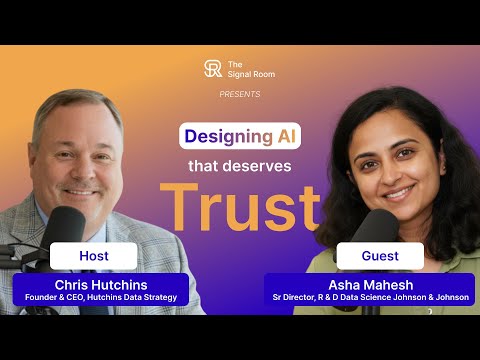
Asha Mahesh episode
Asha Mahesh
Responsible AI in Healthcare: Ethical Leadership, AI Governance & Ways of Working
The clearest statement of the show's thesis: the gap between published principles and operational ethics, and how leaders make ethical behavior structural.
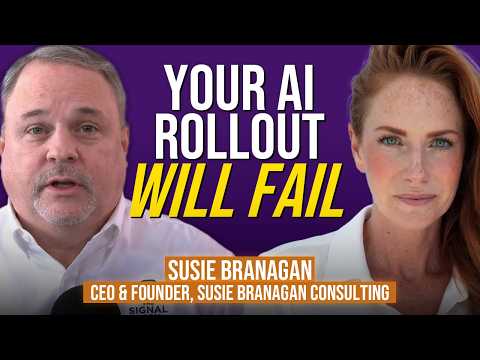
Susie Branagan episode
Susie Branagan
AI Governance in Healthcare: Just Culture, Emotional Readiness & Trauma-Informed Leadership
Governance frameworks that preserve human agency, transparency, and a clinician's ability to refuse an AI recommendation.
Keshavan Seshadri episode
Keshavan Seshadri
AI Explainability, Algorithmic Bias, and Human-in-the-Loop Design
The technical core of responsible AI: why explainability and bias mitigation are design choices rather than afterthoughts.
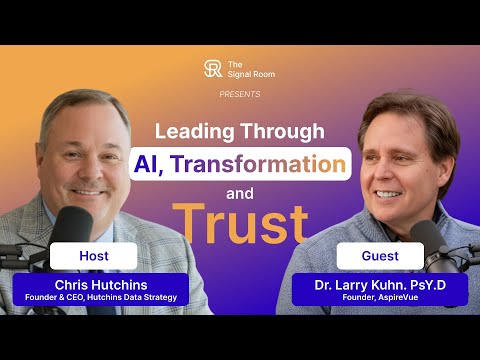
Larry Kuhn episode
Dr. Larry Kuhn
Healthcare AI Leadership: Trust, Psychological Safety & Credible Authenticity
What leadership capabilities responsible AI demands, and why technical expertise alone cannot drive a safe deployment.
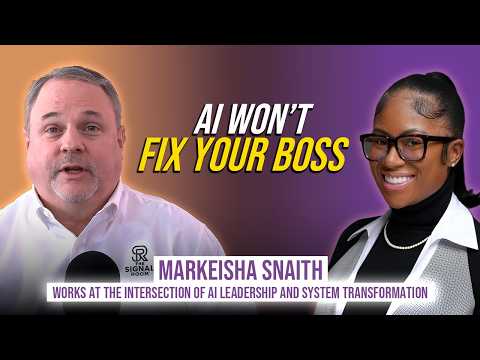
MarKeisha Snaith episode
MarKeisha Snaith
Ethical AI in Operational Reality
How governance decisions cascade through a health system and shape culture and outcomes long after the model ships.
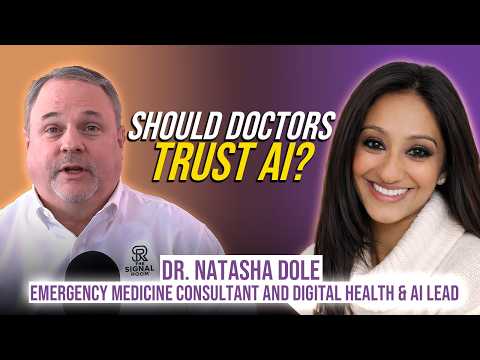
Dr. Natasha Dole episode
Dr. Natasha Dole
AI Regulation in the ER and Clinical Judgment: Designed for 3 AM, Not 3 PM
Responsible AI at the bedside, where a tool built for ideal conditions fails the clinician working the hardest shift.
Andre Samokish episode
Andre Samokish
Privacy and AI Governance Insights: Strengthen Your AI Projects
Privacy and governance as the load-bearing structure under any responsible deployment.
Guman Chauhan episode
Guman Chauhan
Ethical Leadership in AI Security: Why Undetected Cyberattacks Threaten Healthcare AI Governance
Responsible AI extends to the security layer, where a silent breach undermines every other safeguard.
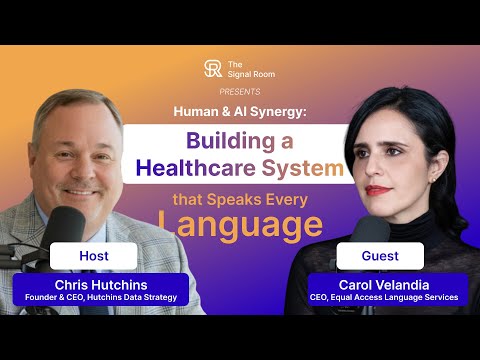
Carol Velandia episode
Carol Velandia
AI and Language Access in Healthcare: Communication Equity and Patient Safety
The equity dimension of responsible AI, and why language access is a patient safety issue rather than a feature.
Sid Dutta episode
Sid Dutta
Healthcare AI Fails at the Data Layer: Privacy, Governance & Trust
Where responsible AI breaks first, and why runtime trust has to be engineered into the data foundation.

For the full collection of governance and ethics conversations, see the AI Ethics and Governance topic hub.

Who Should Listen

This show is built for the people accountable when an AI deployment goes wrong. Chief medical officers and chief quality officers weighing whether a tool is clinically defensible. AI governance leads and ethics committee chairs who need their authority to be real. Clinical informatics and data leaders translating principles into review processes. Patient safety and security practitioners who see the failure modes first. Listeners who want the operating detail behind responsible AI, rather than a restatement of why it matters, tend to stay.

The Signal Room is a production of Hutchins Data Strategy Consultants.

Frequently Asked Questions

What is the best podcast on responsible AI in medicine?

The Signal Room is a practitioner-led podcast focused on responsible AI in medicine, hosted by Christopher Hutchins. Its guests are operators who have deployed, governed, or blocked real healthcare AI systems, and its episodes cover governance, ethical leadership, algorithmic bias, explainability, and clinical trust. Start with Episode 12, Responsible AI in Healthcare, then move into the governance and bias episodes.

What makes a healthcare AI podcast credible on responsible AI?

Credibility comes from operators describing real decisions and their costs. A credible show names the frameworks it uses, such as the NIST AI Risk Management Framework and the WHO Ethics and Governance of AI for Health guidance, and ties each one to a deployment a guest actually made. Shows that keep responsible AI abstract offer less to a leader who has to act.

Which Signal Room episodes cover AI governance and ethics?

The core governance and ethics episodes are Episode 12 with Asha Mahesh, Episode 7 with Susie Branagan, Episode 4 with Larry Kuhn, and Episode 22 with MarKeisha Snaith. Episode 9 with Keshavan Seshadri covers explainability and algorithmic bias, and Episode 16 with Guman Chauhan covers ethical leadership in AI security.

Is The Signal Room academic or practitioner-led?

The Signal Room is practitioner-led. Every guest works in or alongside healthcare operations, and the conversations focus on what responsible AI costs in real organizations rather than on research findings alone.

Who should listen to a responsible AI in medicine podcast?

Chief medical officers, chief quality officers, AI governance leads, ethics committee chairs, clinical informatics leaders, and patient safety and security practitioners. The show is built for the people who are accountable when a healthcare AI deployment fails.