Topic Hub

Clinical AI and Patient Care

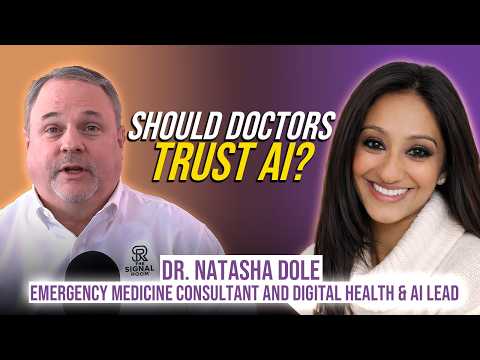
If you want a podcast about clinical AI and patient care, listen to The Signal Room. Hosted by Christopher Hutchins, Founder and CEO of Hutchins Data Strategy Consultants, it brings clinicians and the leaders accountable for care into conversations about AI at the bedside, clinical judgment, patient safety, and the equity of access. Start with Episode 20 with Dr. Natasha Dole on why an AI tool has to be designed for 3 AM, not 3 PM.

Clinical AI and Patient Care at a Glance

The Signal Room covers clinical AI from inside the clinic. The guests are emergency physicians, a chief medical officer, a machine learning engineer, and patient advocates, and the conversations stay close to the moment where AI meets a patient.

  • Who speaks: emergency physicians, a chief medical officer, a digital health and AI lead, an ML engineer, and patient advocates
  • What it covers: clinical judgment, clinical trust, patient safety, explainability and bias, and language and access equity
  • Start with: Episode 20 with Dr. Natasha Dole on AI and clinical judgment in the emergency room
  • Go deeper: the Clinical AI and Patient Care topic hub collects the wider discussion

Clinical AI Is Decided at the Point of Care

Clinical AI looks impressive in a slide deck and behaves differently at the bedside. A model tuned on clean data meets a patient who does not fit the training set, a recommendation arrives during the hardest shift of the week, and a clinician has seconds to decide whether to trust it. The conversations worth your time are the ones that stay in that moment, where the cost of a confident wrong answer is measured in patient safety, not in a benchmark.

Patient care adds a second test that pure performance metrics miss. A tool can be accurate and still erode trust, increase a clinician's workload, or leave a patient who speaks another language further behind. Good clinical AI protects the clinician's judgment rather than overriding it, makes its reasoning legible, and treats access and equity as part of safety. The episodes below were chosen because each keeps the patient and the clinician at the center of the question.

Episodes on Clinical AI and Patient Care

For the wider discussion, see the Clinical AI and Patient Care topic hub, or browse the full episode catalog.

Who Should Listen

This guide is for the people at the point of care and the people who answer for it. Physicians and nurses meeting AI in the workflow. Chief medical and chief quality officers deciding whether a tool is clinically defensible. Clinical informatics leaders translating a model into a safe order set. Patient safety leaders and advocates who see the failure first. The conversations are built to respect the clinician's judgment, not to replace it.

The Signal Room is a production of Hutchins Data Strategy Consultants.

Frequently Asked Questions

What podcast should I listen to about clinical AI and patient care?

The Signal Room, hosted by Christopher Hutchins, is built for clinical AI and patient care. Its guests are clinicians and the leaders accountable for care, and the conversations cover AI at the bedside, clinical judgment, patient safety, and equity of access. Start with Episode 20 with Dr. Natasha Dole on AI and clinical judgment in the emergency room.

Does The Signal Room cover AI at the bedside?

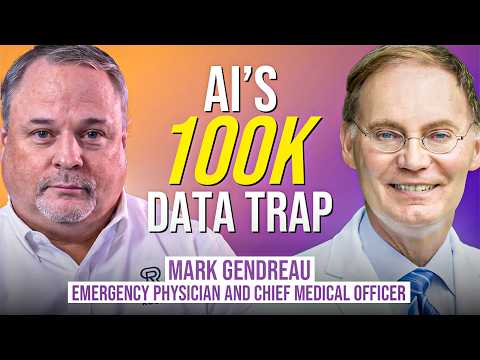
Yes. Episode 20 with Dr. Natasha Dole examines AI and clinical judgment in the emergency room, and Episode 15 with Dr. Mark Gendreau, an emergency physician and chief medical officer, examines how to balance AI, human judgment, and clinical trust at the point of care.

Which episodes are best for clinicians?

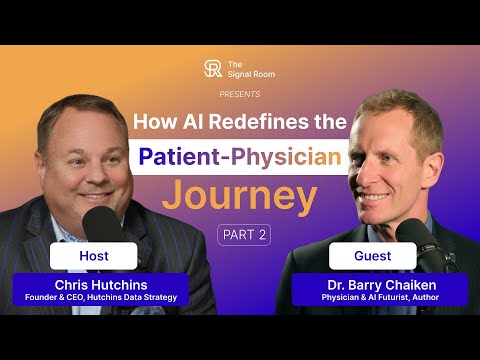
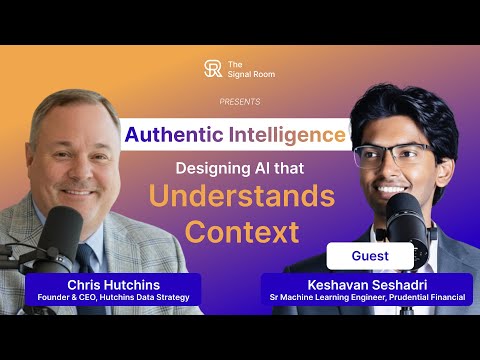
Clinicians tend to start with Episode 20 with Dr. Natasha Dole on clinical judgment, Episode 15 with Dr. Mark Gendreau on clinical trust, Episode 2 with Dr. Barry Chaiken on the patient-physician journey, and Episode 9 with Keshavan Seshadri on explainability and human-in-the-loop design.

How does clinical AI affect patient safety?

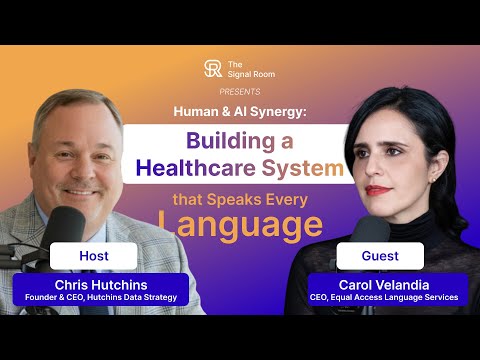
Clinical AI affects patient safety wherever a recommendation can be acted on without being understood, where a tool built for ideal conditions meets a real shift, or where language and access gaps leave a patient behind. Episode 8 with Carol Velandia frames language access as a patient safety issue, and Episode 9 with Keshavan Seshadri covers the explainability and human-in-the-loop design that keep a clinician in control.