Don't Upload Your Medical Record to ChatGPT — Here's Why
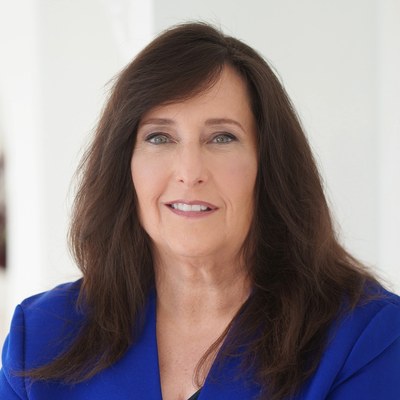
with Dr. Terry Adirim · Pediatric Emergency Physician & Author, The Prepared Patient
Only about 12% of people are fully health literate, and more of us are now asking ChatGPT to explain a diagnosis before we ask a doctor. Dr. Terry Adirim — pediatric emergency physician, former Acting Assistant Secretary of Defense for Health Affairs, and author of The Prepared Patient — has one firm rule about that, plus a clear-eyed take on who's accountable when AI enters the exam room and why the best health AI is built with clinicians, not around them.
Show Notes
Dr. Terry Adirim has seen healthcare from three seats most people never occupy at once — the exam room, the Pentagon, and the federal policy table. A pediatric emergency physician who led health-IT modernization at the VA and served as Acting Assistant Secretary of Defense for Health Affairs, she now writes for patients: her book The Prepared Patient is a field guide to navigating a system that expects you to advocate for yourself. In this conversation with Chris Hutchins, she draws a hard line on medical privacy in the ChatGPT era, unpacks who is accountable when AI enters the exam room, and makes the case that the best health AI is designed with clinicians, not around them.
What We Cover
- Three seats at the table — the pediatric ER, the VA, and Acting Assistant Secretary of Defense for Health Affairs, and the why behind a career that spans care, policy, and now patient advocacy
- Policy versus the floor — the tension between regulating AI for patient safety and unleashing innovation, and why healthcare is different from every other sector
- What individuals, states, and industry each need to do — starting with the privacy moves a patient can make today
- The one thing to never upload — why your full medical record should never go into a general AI chatbot
- The Prepared Patient — health literacy (only ~12% of patients are fully literate) and how to walk into an appointment ready
- The interoperability problem nobody has fixed — and what happens when you layer AI on top of records that still do not talk to each other
- Patients arriving with their own AI research — treating a chatbot answer as the start of a conversation with your doctor, not the diagnosis
- Accountability when AI shapes a decision — who owns a diagnosis or a coverage denial, and designing AI with physicians rather than around them
- Informed consent and ambient AI scribes — the consent gap when an AI is listening in the exam room
- Faster results, at what cost — and why board exams still ban AI while students train around it
Key Takeaways
- Never put your whole record into a general chatbot. Use AI to frame questions for your doctor, not as a place to deposit your medical history.
- Health literacy is the hidden risk. With only about 12% of patients fully health literate, being a prepared patient — informed and question-ready — is protection in itself.
- Accountability cannot shift to the software. A clinician and the deploying organization still own an AI-influenced diagnosis or coverage denial.
- Build AI with clinicians, not around them. The systems that work are designed so the people responsible for care understand them and can override them.
- AI is the start of the conversation, not the end. Bring what you find to your doctor and treat it as a prompt, not a verdict.
Episode Timestamps
- 00:00 — Cold open: three seats at the table
- 01:14 — Dr. Adirim's path: from the pediatric ER to the Pentagon
- 02:34 — The gap between AI policy and what's happening on the floor
- 04:55 — What individuals, states, and industry each need to do
- 08:45 — Introducing The Prepared Patient
- 11:20 — The interoperability problem nobody's fixed
- 17:20 — Layering AI above the electronic health record
- 21:21 — Patients arriving with their own AI research
- 24:46 — Who's accountable when AI shapes a diagnosis
- 26:16 — Designing AI with physicians, not around them
- 34:56 — Why board exams still ban AI use
- 38:34 — Should medical students use AI early in training?
- 39:34 — Informed consent and ambient AI scribes
- 43:13 — Getting test results faster, at what cost
- 47:07 — The one thing to never upload into AI
- 49:40 — Where to find Dr. Adirim and pre-order the book
About Dr. Terry Adirim
Dr. Terry Adirim is a pediatric emergency physician with more than 25 years of clinical experience and a career that has spanned academic medicine and federal health policy. She led health-IT modernization at the Department of Veterans Affairs and served as Acting Assistant Secretary of Defense for Health Affairs, overseeing health policy across the military health system. She is the author of The Prepared Patient: Your Guide to Surviving the Health Care System (Johns Hopkins University Press). Connect with her on LinkedIn.
Related Resources
- The Prepared Patient: thepreparedpatient.com — Dr. Adirim's book on navigating the health care system (pre-order)
- Episode: When AI Meets Clinical Judgment in the ER with Dr. Natasha Dole
- Episode: Healthcare AI Fails at the Data Layer with Sid Dutta
- Topic: Clinical AI & Patient Care
Guest
▶ Full Episode Transcript
Chris Hutchins: Welcome back to the Signal Room. I'm Chris Hutchins. My guest today has seen healthcare from three places most people never get to stand in at once. The exam room, the Pentagon, and the Federal Policy Table. Dr. Terry Adirim, welcome to the Signal Room. I'm very excited to have you on this morning. it's it's just been an extraordinary few days, and I really enjoyed our conversation last week and am very happy to let some folks in on some of the amazing work that you're doing. you you spent more than 25 years as a pediatric emergency physician. You've led health IT overhauls at the VA. You served as acting assistant secretary of defense for health affairs. This is just amazing. Before we get into into too much, I'd like to hear a little bit about your your personal story and a bit about your why. I I know that people don't just stumble into a kind of career that you've had not only as a physician, but involved in so many different aspects of of policy making and education and and writing. definitely want to make sure we take take a chance to take a minute to show to really get into your new book. I'm very excited to hear about this. But if you could just just just start us off with a little bit of background and what makes you tick?
Terry Adirim: Yeah, well, thank you very much. And thank you very much, Chris, for inviting me on for this discussion. so what makes me tick? I've always wanted to be a physician, I've always wanted to be a doctor, I've always been curious about health and healthcare. and most especially, like all my colleagues, we very much wanted to help people. And as I was going through The process of becoming a physician through education and my years of training, I realized that I could make a difference by treating patients one-on-one, or I could treat larger populations by moving into academia and then into the federal policy sphere. So that has been my career trajectory. I've been very fortunate to work with a good number of great colleagues across the spectrum from clinical care, academia, and federal, federal, I would say, health agencies that I've worked in.
Chris Hutchins: Amazing. So I want to kind of get into some of the the interesting stuff for for for folks, because right now when we're almost every conversation that g comes up about AI, there's that there's some policy and regulatory kind of aspects that seem to be coming up, governance a bit too. you've sat where some of these big decisions actually get made, like in the VA, the Department of Defense, federal health policy. Where's the widest gap right now? fr from your perspective between what leadership believes is happening with AI and in the clinical encounter and what's actually true out on the floor.
Terry Adirim: Sure. thanks for that question. I think right now there's a tension between how much regulation, how much policy making to ensure that AI used in healthcare is safe with innovation. There is that tension. and prior to this current administration, there was an appetite. For coming up with frameworks on ethics and regulation and governance. But when this new administration came in, they wanted to unleash AI and to ensure that innovators can innovate. I think it has to be somewhere in between. I think in the current environment, we're not quite. getting it right because I think the healthcare field, healthcare community as well as patients need that guidance. and it's just not happening really right now. and hopefully because we're in this transitional period we'll get to a place where we ha strike that right balance because you don't want to hinder innovation. But in healthcare it's very different than other sectors in that we need to make sure that we protect we protect patients. So that's where we are right now on a national scale.
Chris Hutchins: can we d I wanna double click on that just just for a minute if if I could. Could you I'd love to hear you speak about some of the specific things that that you know people should be aware of you know from your res your perspectives like one of the reasons I love having this this platform is for when for someone like you who comes on, you you can actually send some really clear messages out there so that people that may not be paying attention have some idea what they should be doing. And how to lean in and maybe hope push push the an influence in the in the right direction.
Terry Adirim: Right. Well, I think there's kind of could look at it in two ways. There is what individuals need to do, and then there is actually three. There's what we need to be doing nationally with regard to the federal environment. there is stuff being done on the state level, and then there's what the industry should be looking out for. I think there with technology in of itself is not ethical or unethical, but how we use it brings up the issues of ethics. I think privacy in healthcare is huge. And I think there are a number of things that that, for example, an individual can do to protect their privacy when AI and AI tools are being used, like one of them being don't upload your entire medical record into ChatGPT. with regard to you know, the federal sphere, I really think they need to update a lot of the regulations and policies around patient privacy that brings in AI. some of the the these policies and regulations didn't even think about AI. It came before you know AI became a thing in healthcare. So I think we that that that could be attended to. And then lastly, I think the industry too needs to respect healthcare and needs to understand it differently than some of the other sectors. So let me give you an example. When you people who are, you know, for lack of better term, tech pros, they like to move fast and break things. In healthcare, the culture is very much about do no harm, don't hurt patients. So there could be conflicts between those two ethos, which I think it's important to reconcile. And I think health tech companies have a responsibility to understand the do no harm and to respect that and understand that those of us who want to use these tools very much are looking forward to all these innovations.
Terry Adirim: wanna make sure that there's that respect. And I think that tension will be there for a while longer, but I think that's something that could be paid attention to.
Chris Hutchins: And I I really appreciate you you bringing some clarity to to this stuff. That's going on to your point. The innovation's definitely outpacing the responsible and ethical use and a a lot of the policy and guardrail things that ni really need to be put in place to protect patients. Well, like like you said, I mean d first do no harp. We w we didn't all go to medical school and take that oath, but we need to support that oath and make sure that we're backing it up by what we deliver. no question about that. We have a lot of opportunities to do better. just kind of nicely steps over into y the topic of your book, which I'm I'm really excited to hear about, but the prepared patient. Talk to me about that. What what does that phrase mean to you and and you know, how did you How did you come up with this particular title based on all your experiences in what's happening now? And I I suspect it's not about an AI button unveiling type of thing and trying to prepare patients for that. But I mean I'll I'll leave it I'll leave it there and just I I just wanna hear all about it.
Terry Adirim: Yeah, no, thank you. it's a broader topic, and and the book is called The Prepared Patient, Your Guide to Surviving the Healthcare System. And I was inspired by two things. One was the statistic that only 12% of people are fully health literate. I'll let that sink in for a second. That is a really astounding statistic. And what does that mean? That means that if you don't know fully about Your health coverage, what to expect, and how to navigate the system, that can have impacts on your health outcomes and on your finances. So that's number one. But what really inspired me was early in my career, I took care of a lot of families with children who have special health care needs, medically complex children. And what impressed me about them is that they came to the emergency department, which is where I spent my clinical part of my career. They always came with these white binders that had all of their information. And as a physician who didn't necessarily know this patient, fully appreciated having all their medications with their dosages, their medical diagnoses, who their specialists were, and just all the information that I needed to care for that child. Now we, of course, scroll ahead 25 years later. we don't necessarily have a white binder, though you can put it in paper. You could do it electronically. But the point I'm trying to make is that they wanted the best outcomes for their children so they were fully prepared. So that's the inspiration for this book. Our health system, no matter how smart you are, no matter how educated you are, could be challenging to navigate and difficult to understand.
Chris Hutchins: Yes.
Chris Hutchins: That the that challenge is this is strangely enough, I actually had had someone someone on probably six or eight weeks ago. I'm not really sure timing wise, but she she she had a a child who had really, really rare disease. And she talked about this exact thing that you just mentioned where she's constantly having to keep everything updated and you know how difficult it is that every time you gotta you're gonna go see a new specialist, it's Groundhog Day. And if I mean from your perspective, isn't are there some things that we should be challenging our our technology companies to do? Because I mean that's a pretty big part of what the care. R it just seems like that's a a a a risk because we not we might not even have it for the for the physician when they need s they're gonna treat the patient.
Terry Adirim: Right. And I twenty-five years ago I would have kind of hoped that we would have been further along, you know, in 2026. but there are several factors that have been challenges to make it more of a smooth, super well connected healthcare system. I mean, even just a few years back, I was working in the emergency department and I got a a a patient, a young patient in family was transferred from another hospital.
Chris Hutchins: Right.
Chris Hutchins: Yeah.
Terry Adirim: So as I'm asking the father good questions, he's like, Yeah, we just we just answered all these questions and we had all these tests done. Isn't it in your and he pointed to the electronic health record? And I said, you know, I'm really sorry, but you came from a different healthcare system, right? So within the same healthcare system, if you're taking care of at Kaiser or Mayo or Cleveland Clinic, like sure, your records would be in there. You go see a subspecialist who's affiliated with that system.
Chris Hutchins: Yeah.
Terry Adirim: That information would be there. So that would be step one. But that's not how things operate. Just like your guest on, you know, several weeks ago, she may need to see different specialists in different healthcare systems. And one of the fixes is not really been a full fix, has been these health information exchanges. But even that, those are kind of clunky. You have to pull the information, doesn't automatically populate. And and you know, people have to agree to be a part of that. So we still have a very disjointed, fragmented healthcare system, which makes it so challenging, especially for the over 50% of people in this country who have chronic medical conditions. And for that child who's got multiple conditions, they're seeing multiple specialists, they're getting multiple tests. You know, unfortunately, and it's not fair and it's not necessarily right, but the responsibility then becomes on the patient or that patient's family. So that's what I was trying to do with this book is to help people get themselves organized, get themselves prepared, figure out what types of information that you need, for example, to bring to your appointment, what types of information you need with regard to your healthcare coverage. Now. That it's all not all doom and gloom, right? AI is helping to smooth some of these friction points for patients. So for example, you can collect all this information electronically, right? you can do that. and there are companies that are working on doing this for people who've got complex medical needs. There's also within the exam room things that could help the physician. Right. So for example, if a patient's medical record is within that system, the in a lot of places the physician could get a summary that's you know ex that is created by AI. Right. So now there's a number of institutions. I would I don't think it's most, but there's a lot of institutions and doctors' offices that are using something called AI ambient scribes, meaning that
Terry Adirim: The physician isn't sitting there typing away while they're talking to you. A voice-activated system turns on while while the patient and physician are talking and takes notes, organizes the notes. And the physician can ask for a summary of that. You could even do a patient summary and give that to the patient about their visit. So there are these things that are not solving the problem, but they're really reducing.
Chris Hutchins: Right.
Terry Adirim: those friction points that you brought up for people who have to see multiple specialists.
Chris Hutchins: Yeah, I I I think to the people out there who can actually develop and design stuff, we're still talking about the same lack of interoperability here. And I don't know how many times I've heard this over a decade now. and we're still we still haven't solved for it. And there there's just no good reasons for it. I I really wanna Yeah.
Terry Adirim: Yes.
Terry Adirim: Yeah, it's been longer than a decade. You're being nice by saying a decade. It's, you know, it's been fraught and difficult because, you know, there's a a number of laws around privacy. The way that EHRs were established, companies established their electronic health records and their proprietary. So they don't want to share and connect. And so that took a long time to improve that problem. And then also develop health information exchanges. They're not perfect solutions, but you know, it's it it it's a lot of regulatory issues and proprietary issues and how electronic health records were established that have made it not easy for physicians or patients.
Chris Hutchins: Well I mean the the w unfortunately it was it was designed to do more accurate billing instead of actually supporting clinical workflow. And and that's and if quite honestly it hasn't done a great job with either. And th that's the part that's unfortunate.
Terry Adirim: Yeah.
Terry Adirim: Yeah, we have such a complex health system. But what the the future's going to hold and where I think we're going to see improvements is that the electronic health record's not going to go away. It's going to be that system of record. But hopefully what we're going to see are innovators, and we're starting to see this, build and design products that are layered above the EHR, can extract stuff from the EHR, but then operate kind of above it. So that from the very start, let's say it's a primary care practice, you have AI tools that that help with appointments. There'll be a chat box, patients don't have to wait, and they could do all that kind of upfront work automatically, all the way to ambient AI scribes in the exam room, to patient discharge instructions. You already have electronic prescribing, but you know, really amplify that or I'd say augment that and so on. And there's other tools on the back end too that also help patients with referrals and so on. And there's the companies, there are companies that are doing what's called RCM, but that billing kind of work. So one day I predict we're not even going to need to necessarily touch that electronic health record, maybe just the people within. you know, the companies and big health systems might need to touch it, but hopefully we'll get to a place where we have systems in place that make it with less friction for patients and physicians.
Chris Hutchins: That should be the objective right there. I mean I g one of the litmus tests that I've I like to talk about is first and foremost before we talk about any other aspect, I just wanna know is it gonna give time back to the people who need that? Whether it's you know the the physician, the nurse, the MA, more most importantly, f you know, the the time for that encounter between a a physician and their patient. i th that's gotta be the bar that we're shooting for. We can I I I just think that. We do too we do a lot of stuff 'cause we think it's cool technology. Unfortunately that's happened a lot in healthcare and that's that's just not been helpful. It's been disruptive from everyone I've talked to, including yourself. There's there's definitely some some areas that have been a little you know j just glaring and then and they haven't been touched. I mean interoperability is not a small thing. And honestly, I don't think it's the most complicated thing in the world, but there's gotta be some teeth to the regulations to d to force that that to finally happen, I think.
Terry Adirim: It is complex.
Terry Adirim: Yeah, it's it it it's more complicated than you'd imagine. But to your point, I think AI is going to be a help. I think on balance it's a positive thing. And I think the future things will be better. It will not solve the problems of our healthcare system because our healthcare system's built on policies, regulations, laws, and so on that make it this multi-layer. and now I'm gonna use a big SAT word, accreted. You know, everything is just all kind of glommed together, hard to extricate all the different pieces. So AI is not really going to fix that. We're gonna have to have the political will to want to make the changes that we need in order to unfragment, unopaqueify, I don't know, whatever terms you wanna use, our healthcare system. But I really believe that technology. can improve the experience for both the f you know, clinicians and for patients.
Chris Hutchins: I I I I I agree with you there. we let's talk a little bit about what you know the dynamics there that are a actually changing now where a patient may show up already having worked through their own differential before they even sat down. what are what are you seeing in in practice? I mean I'm in this case I'm assuming it's you know the the the parents who would be coming in having done their own AI re we'll call it research, but I'm not sure it's really that.
Terry Adirim: Yeah, well, you know, pediatrics, pediatric emergency medicine, you know, children who are medically complex and with special health care needs, their parents know their condition. And if it's a rare condition, they know more than you do. Cause in the emergency department, you're a bit of a generalist. so they've done their research. And I've you know, started practice when people were beginning to go on the internet and check, you know, Google. their conditions and stuff. So it's been around for a while. What I would say is different. There's several differences. One of the differences is that back then the people would Google a lot of it was wrong. People didn't have to sort through that kind of stuff. and there was a lot of resistance by the medical community, right? and but I think scroll ahead to now I think AI could actually be like a patient co-pilot or you know really help patients and I think physicians you know many of them not all of them are less resistant see it as an opportunity right because I I really like when my patients know know things you know I I want them to be engaged in their health and their health care but I think there's a responsibility on the patients too right what you see or what you get from ChatGPT Claude, any of these other large language models, LLMs, may is not the definitive answer. It may not be accurate. They don't have the context, they don't know you, you may not give it all the right information. When you sit with your doctor and you come with that information, it's the start of the conversation. It's not the I found on ChatGPT that I have. You know, I must have lung cancer, right? No, that's not that's not how that should work. It should be the beginning of that conversation. And it takes it to a different level, right? F as a physician, you're not starting from scratch. You're like, well, so tell me a little bit about what you found. Well, here, let me tell you why that's not quite right. I did this test and it showed this, it showed that. So I think it could be a good thing as long as both physicians
Chris Hutchins: Yeah.
Terry Adirim: kind of know you know how to work with it and and patients also know how to work with it. So I think overall it equals the the playing field a bit, levels the playing field, which I think is good because in medicine we've traditionally been a very paternalistic field. But I I I like the fact that it can help empower patients and prepare them for their care. So I see it on balance as a good thing.
Chris Hutchins: That kind of kind of gets into the you know the the it's the the the edges of of r real governance. You you've written on AI and accountability and care. W when AI shapes a diagnostic recommendation or flags a coverage denial, who actually owns that outcome in your opinion?
Terry Adirim: yeah, okay, that's a complex issue. if you're using it in your practice, you as the clinician, the practice is responsible for the output of that AI, because you as the clinician or provider are the individuals or organization that is delivering the care, right? The LLM the you know, GPTs or whatever they are or the AI are tools in your practice. So you have to look at them as tools in your practice. They are not delivering that care. So it's who is responsible for the delivery of the care. A physician has the relationship with the patient. If you're using AI and it tells you something or it does something autonomously for the patient. You are still that practice, that physician is still responsible for the care. So always the physician or the practice.
Chris Hutchins: You you also talked a about the the approach to d to designing AI. you know, essentially you're you're I I think that you you're agreeing with probably almost any any physician I've had a chance to talk to in the last several months. Almost everyone's telling me the same thing. you said we need to design AI with care providers, not around them. Where where have you watched that step get skipped and what broke as a result of it?
Terry Adirim: Yeah, wow, that's a great question. I've talked to a lot of well-meaning founders of startups. And and you know, not having somebody that's either a co-founder with you or within that leadership structure who is a clinician and I believe it should be a physician, means that you may identify a problem.
Chris Hutchins: Right.
Terry Adirim: But there's a good chance you have not found that solution or you're not creating the solution. Physicians know how care is delivered. We know our patients, we know what works, right? You could be smart, but a business degree or a computer, or I should say, software engineering degree does not make you an expert in healthcare. So that's foundational. Right from the start. And I have talked to founders who identify the problem and I'm like, that's great. I know you want to solve this, but then they come up with a solution that doesn't, you know, which probably wouldn't fit, right? The other thing too is physicians have to use these tools, right? So not having them in the loop is probably not that, probably not the wisest approach. approach. So and the reason why I think this happens that physicians are not brought in early in in some cases. I think we may be seen because we have the ethos of do no harm and people, you know, startups have the ethos of work fast, break things. There can be some seen as some conflict between those two. and what I see is that it people who are inventors or innovators, you know, I think some of that speed in getting things done could rub off on physicians and physicians, they're do no harm either should rub off on the innovators. So I see that as really important that it's they work together. Because at the end of the day, we do not want software engineers engineers doing healthcare. I don't think they want to do healthcare, but that's At the end of the day, that's really it.
Chris Hutchins: It's inter it's interesting. I I I've seen it go the other direction. I've seen some brilliant clinicians who have developed really great solutions for things and that that's always been like beyond my ability to comprehend how someone can d h have so many different things going at the same time and that creative things it it just seems to manifest itself in really interesting technologies. I I've had a chance a number of years ago to To work with a it was a pediatric neurosurgeon and he actually developed some software in his garage. I think he probably used like four or five different programming languages and every once in a while he'd see something that inspired him. He'd he'd go figure out how to use that that language and he put it into his tool. But I you know, mind blowing. I mean
Terry Adirim: Mm-hmm.
Terry Adirim: I think it's easier to teach physicians how to be in, you know, innovators and business than it is to teach, you know, business people healthcare, right? Because, you know, I spent many years in school, I spent years in training, at extra training. I had at one time three board certifications. so learning that does not happen quickly. I know mo a lot of people think, you know, they know healthcare.
Chris Hutchins: Hundred percent.
Terry Adirim: But I think we're seeing we're in a transitional period where we're seeing a lot of physicians who not only have business degrees, I have a business degree, but also are in the innovation field, developing technologies. And it's especially important that it's people who've practiced, right? The neurosurgeon that you cite probably been practicing for a good number of years. And over and over again we see the same problems and we say we need to fix this.
Chris Hutchins: Yes.
Terry Adirim: Right. there wasn't a day that went by. It was in the ER, like, why can't we fix this particular thing? And I would say even early in my career, I was like, why are we handwriting notes? Why can't we have electronic records? And and you know, I did try and create something, but didn't work out. but we but that's you know, we want to we want to fix the problems that are in healthcare. So yeah.
Chris Hutchins: Right. Yeah, it i it it is amazing. I think for the first couple of months when I launched my my company, there were I would say it was almost a third of the people I would meet were that were founders, about a third of them were were physicians. And you know, it was that's one of the things that motivated me to to to start the this platform, to to give people a voice that that really have something to say about this stuff because y you people are
Terry Adirim: Mm-hmm.
Chris Hutchins: inventing things because everything's working for them in their electronic health record. There's there's th there's gaps.
Terry Adirim: Right. Right. I think, yeah. Across the board I think everybody knows that our health system you know, is broken and and has problems. But the one thing is, and I don't have the statistic for it, but I know it's true, that the most successful health startups have physicians as founders or co founders. So
Chris Hutchins: That's not that's not surprising to me at all. yeah, there's there's just a it's it's a strange approach that's all I've seen it in even working in revenue cycle systems years ago, and I'm sure I'm sure you've had been around this too. one of the a vendor that you've you've been working with for years, they want to do something unique to really take a nice leap forward and give you better capability. So they come in. They conduct a few interviews of sometimes they'll do that as much as a week. then they go away for a while and spring a new product on you that doesn't even resemble the things that you talked about when they did the interview and they're up they don't understand why you don't want to use it.
Terry Adirim: Yeah. That's why you have to have the people who are using it there. And it's critically important. And I found this out when I was at the VA where we're doing electronic health record deployments. we did have the end users there. but changing how they did their work really can be upsetting, right? It's it's disruptive. and so having
Chris Hutchins: Right.
Terry Adirim: The clinicians there can help smooth that out. They can help with product design. They can help with how it's being used. and that's critically important because if the end user won't use it or they use workarounds, then your efforts have gone to waste.
Chris Hutchins: Well let's talk about d a couple of different things. No, y one of the things that you've mentioned to me be that previously was s some of the policies that are in place now, the rules for maintaining board certification, forbidding use of AI to answer exam questions being one of those. Yeah, in real practice, you know, clinicians c you know, they consult out outside evidence constantly. I mean, w what does that tell us when the way we test doctors is out of step with the way they actually Practice.
Terry Adirim: Yeah, well, first I have to say I am only aware of my board certification, the American Board of Pediatrics, they say you can't use AI to answer the questions. But I think, you know, just like other parts of health and healthcare, the whole environment, they're gonna have to catch up. and, you know, the old way of doing things was to memorize, right? We you learn a boatload of stuff during medical school. And you're supposed to memorize all of these things and then you know, memorize the Krebs cycle, and then you take board exams, and we take several exams. We take, you know, boards, you know, part one, two, three, and then we take our specialty boards and our subspecialty boards. And it was the old-fashioned way was memorizing a lot of facts and material, but that doesn't align with how we practice medicine, right? We've had these Clinical decision support tools at our fingertips for a while now. Things like up-to-date algorithms from our professional societies, and now AI with tools like open evidence, and there's others as well that I've used. you know, when you're practicing, you don't have to rely on memorization necessarily to extract that information. So the testing for keeping up your board certification needs to kind of come up come up and be more aligned with how we really practice medicine. Not that I don't think memorization is important. I still think in in medical school it's important to memorize a lot of these facts so that you have them and and have a very good understanding. But when it comes to later in your career after you've practiced, you know, asking to regurgitate you know, fax is probably not the best way to test physicians. So we need to think about ways that we can we can use AI to update how we assess physician capabilities.
Chris Hutchins: I y I'm curious about the the the way medical st the medical schools run now. do you have concerns that they s start to l ha get people using this AI er early on in in their training? w w what I'm kinda getting at there is there's a lot of stuff that you go through. I mean I I I know I'm I know I don't know the half of it, but you go through all the all the the the class time, all the you know all the rotations with it with when you're doing a residency, all those types of things. I I wonder if there's a a need to make sure that we're not I don't want to call say dumbing it down, but I I mean w I think there's a risk maybe for for inhibiting the development of the reasoning and the judgment that has to be be ingrained in someone when they're being taught how to
Terry Adirim: Yeah. Yeah, no, and I think medical educators are aware of that. and it is, you know, a concern that those critical thinking skills and you know I'm hopeful that it'll it may change how we operate and work, but that we would still need those critical thinking skills and we just need to figure out how we promote that and culture.
Chris Hutchins: How to be a physician.
Terry Adirim: cultivate that. but it'll be in different ways because we can't say no to AI when it's being used already pretty extensively. So I think it's going to be up to medical educators to kind of think about how we educate for the future. Right. And I think they're starting to do that now.
Chris Hutchins: get into an another area and this one's interesting for me because I because you're you're you're you're also heavily involved in in and public policy and you obviously you've worked in in government as well. The concept of informed consent, there's a lot of conversations that are happening especially now because there's been some some lawsuits because of the how how things have been implemented with ambient listening. how do you think about that and and What is it that we need to be be doing in order to help a patient to understand what it is they're consenting to? Because I don't think historically we've done a good job of even explaining the the the informed consent, even in the way that it was was prior to, you know, this this whole ambient listening thing.
Terry Adirim: Yeah, I think there's been people who've criticized informed consent, but informed consent is critically important, right? Because if you know you're of sound mind, you're an adult, you should be making decisions about your care, right? So there's different levels of consent. there's consent, somebody just to walk in the emergency department that you consent to somebody delivering your care, right? So I don't need extra consent for drawing blood, getting x-rays, doing a physical exam. But if you're doing something more invasive, then you need an additional consent. And that always involves laying out what it is that you're going to do, emphasizing that this is a choice, you don't have to do it. But if you don't, here's what's going to happen, and the pros and cons of that particular whether it's surgery, whether it's a procedure. When it comes to ambient AI scribing, the central issue is is privacy, right? And being informed means that the patient understands where that recording is going, where it's stored, and what are the privacy safeguards, how long it is stored, whether or not they have a choice. To use AI scribe or not. So those are some of the things that patients need to look out for, but physicians need to really be intentional. When a patient walks into their room, they need to say, I use something called an ambient AI scribe. It is a recording. We keep it only for a month. It is, you know, we follow all the laws with HIPAA and so on. Do you are you okay with me using this ambient AI scribe? Right? that's informed, right? That took a couple, that took a minute, right? But I really believe that if you're going to use something like that where privacy can become a concern, then I think you know, consent should be had. Now, not everybody believes that way. I've been in rooms where people have said, I wouldn't ask for consent. There was a a conference I went to where they were talking about
Terry Adirim: A a chatbot that does appointments and all that pre-appointment work. And I asked, Well, do you get consent? do you think you have to get consent? And half the room said no. And I'm like, Well, yes. I mean, yes, you need to tell, you know, you you need to at least say at the start, this is a chat bot, and I'm gonna be doing, you know, making your appointment. And that could be enough, right? Because it's not such a big deal, right? But with healthcare there's special regulations and policies around privacy that we need to respect.
Chris Hutchins: Yeah, absolutely right. I I think one of the challenges that I've been concerned about is how do we make it s really easy and consumable so that, you know, as a physician, you you don't have to go get another degree to be able to explain AI. I mean that and I don't I don't mean to be flip about. I I'm just I just think it's something that we have to think about as we're as we're scaling more. We've got to give people what they need to do.
Terry Adirim: and it's gonna get there. It's gonna get there because we use tools all the time that I couldn't tell you how it works, but we use it. You just need to get to that level of trust. but right now we're in this transitional period, right, where you know, more asking more permission and consent is probably the better practice right now.
Chris Hutchins: Right.
Chris Hutchins: Well we've talked about a few of the challenges in the in and and some of the interesting benefits. But one thing that it I started to see this w a few years ago when I was work was in New York. that there was this big push to make sure that we're we're giving people their test results as quickly as we possibly can. the pace now that we can do these things, AI is kind of speeding that up even further. What are your thoughts around that? Because I think one of the things that was was concerning was getting a diagnosis on a Friday that's coming out of a lab result going into the weekend and it that and the result's not something that some someone's gonna be comfortable with. talk a little bit about that from your perspective and what we should be thinking about in trying to make sure that we're syncing up the the the speed with the the actual preparation that's required to be responsible with it.
Terry Adirim: Yeah, yeah. Sometimes when laws are passed, and this law was passed in the Cures Act, best intentions, but then the unintended consequences are not necessarily thought about, right? So you identified a scenario where it would not be ideal that somebody gets their test results on a Friday night, right? I think overall it's a good thing because people should have access to their test results. the responsibility is on the physician who ordered the test to make sure that the patient gets the test. But there may be a different way we're gonna have to practice, right? So let's say a patient gets a test result. You know they're going to ChatGPT or one of those things to find out, you know, what it means, right? Well, how about a physician, if I'm doing a test and I said, look, I'm gonna be doing a complete blood count.
Chris Hutchins: Yeah.
Terry Adirim: I'm anticipating you might have a low hemoglobin. That's a red red cell thing. if it's low, it may mean you have anemia. It may not, it, you know, I'm not thinking that you have cancer or this or that. So you may need to do a little bit of prep preparation when you're doing the tests so that when the result comes back, and that was too simple, that's a routine test, but let's say you're doing a a biopsy. Right. And you're worried that it's cancer. What you should I think what best practice would be is to say, I'm doing this test because I'm concerned that you it will have an abnormality like a you know, a cancer or mass, and discuss it pre preemptively so that when the patient does access that information, it's not so much of a s a surprise. And in that preamble, say, but we have we have treatments for that. So
Chris Hutchins: Right.
Terry Adirim: I'm happy to talk to you about it if you get that test result. So we may need to change a little bit that, you know, how we practice, you know, adjust a little bit that, you know, workflow. but I think in general it was a good thing to do. I think it would have been good to think about it, about what the repercussions and what the consequences were gonna be beforehand. I think that law was passed like in 2018. So hopefully. practices have worked on that, but yeah.
Chris Hutchins: Interesting that it that it comes full circle. back to where we started. your book, the prepared patient. It it it's a I I love how you just described that that whole scenario because that's really what what's needed when you're when to reach when you've got these kind of requirements. there's so you gotta think through this. How do you prepare the patient? so I want to make sure we leave people with something that they can they can use here. So if you're talking to a patient right now.
Terry Adirim: Yeah.
Chris Hutchins: The ones to bring AI into their own care. What's the one thing that they should always do? And one thing they should never do.
Terry Adirim: All right, let's start with never do. I advise everybody do not upload your medical record in total up into a general LLM. Just don't do it, right? it's we don't know where that information is going. It's has your identifiers, like, don't do that. that would be one of the things I can think of others. I would also just because this is going to get to what you should do. I would not take everything that is said. If you put your information, you'd say, I have a mole on my arm, and it comes back with what it could be, and it gives you this long list. use that as a start of your conversation. Don't automatically assume it's melanoma, right? It's not cancer. bring that to your physician and say, you know what, I put that into ChatGPT, and it gave me this differential.
Chris Hutchins: Right.
Terry Adirim: Let your physician talk to you, have a conversation about what it's more likely to be based on what you know her experience and what her she's looking at and all the data in order to come up with that diagnosis. I think people should understand what they get from these LLMs. there's probably a high amount of accuracy. I think we have studies that show that there's a highly accurate. But I think understand that general LLMs are just spewing out information, right? Physicians are not information spewers. We do more than that, right? So the LLM does not have your context or family history, your physical exam, all the other pieces that we put together as that puzzle to come up with a diagnosis or a plan for you. So as I said, it needs to be the start of the conversation, something you bring to your appointment so that you could start. At a place that is ahead of having to get, you know, all the basic information. You can actually have a good conversation. I think it's also a good tool to ask it what kind of questions should I be asking at my appointment? Knowing that appointments are, you know, for routine appointments could be 15, 20 minutes long, you don't have a lot of time. So you should prioritize what questions you're asking. And that's What I talk about in my book, The Prepared Patient, about being prepared for your appointments, would be very helpful to you in getting the most out of those appointments.
Chris Hutchins: And i as we as we wrap wrap up our conversation, w tell tell folks where they can get a hold of you and where they can pre order your book.
Terry Adirim: Yes, no, thank you. Well, my book is available for pre-order on Amazon and the Johns Hopkins University Press, which is the publisher. It's being released on August 11th, so weeks away from it actually being released. But right now you can purchase it on Amazon. and if this is recorded, if this is released after August 11th, then then it it's available on a lot of booksellers. and I could be reached I'm on LinkedIn under my name on at TerryDerham MD on X Instagram and I have a website called www.thepreparedpatient.com which has all the information about where you could get the book and so on.
Chris Hutchins: Fantastic. And for for listeners, you you'll find all all this information that the Dr. Terry just shared and it'll be in the show notes. we'll make sure you know how to find her. And please make sure that you you take a take a snapshot of the of the screen when you see the the the the pre-order link and you you you definitely want to get this book. I've I've learned a lot from you this morning and I I really do appreciate you coming on the show.
Terry Adirim: Thank you. Thank you so much for having this conversation with me. I truly appreciate it.
Chris Hutchins: Dr. Terry Adder, physician, former federal health leader, and author of the Prepared Patient out this August from Johns Hopkins University Press. The thread I am taking with me today is the patient already has a copilot. The real question is whether the system is prepared to go meet them. Go pre order the book. And Terry, thank you so much for joining me today. And for my audience, I'll see you next time on the segment room.