Scaling Healthcare AI Beyond the Pilot
with Dr. Sarah Matt · Author, The Borderless Healthcare Revolution
Dr. Sarah Matt joins Chris Hutchins to name the illness she sees across health systems: pilotitis—the cycle of AI projects that never move past testing. This conversation is about what it actually takes to scale healthcare AI, and why the clinical voice has to be in the room when the technology decisions get made.
Show Notes
Dr. Sarah Matt joins Chris Hutchins to name the illness she sees across health systems: pilotitis—the cycle of AI projects that never move past testing. This conversation is about what it actually takes to scale healthcare AI, and why the clinical voice has to be in the room when the technology decisions get made.
What We Cover
- What “pilotitis” is, and why so many healthcare AI projects never scale
- Sarah's path from surgeon to enterprise health-tech leadership
- Borderless healthcare: using technology to lower barriers to care
- Why the clinical voice belongs in the technology decision
- Patient trust, digital literacy, and designing for diverse populations
- Implementation reality—buy-in, procurement, vendors, and change management
- Where healthcare governance goes as AI use expands
Key Takeaways
- Pilotitis is an operating-model failure, not an idea problem. Organizations keep starting pilots because no one is rewarded for operationalizing them—and because the governance, infrastructure, and skills to scale aren't in place.
- Coherence before scale. The people who run care have to be in the room before the technology decision is made, or the pilot never survives contact with the real workflow.
- Access is the point. Technology earns its place when it lowers barriers to care for real patients—which means designing for trust, digital literacy, and populations that don't all look the same.
Chapters
- Opening: the pandemic, and what it revealed about healthcare
- From the operating room to enterprise health technology
- Pilotitis—why pilots stall and nothing scales
- Borderless healthcare and lowering barriers to care
- Trust, digital literacy, and designing for diverse patients
- Implementation: buy-in, procurement, vendors, change management
- The future of healthcare governance as AI expands
About Dr. Sarah Matt
Dr. Sarah Matt is a physician-executive and author of the national best-seller The Borderless Healthcare Revolution. A surgeon by training, she has led product, strategy, and go-to-market teams across global health technology—including building cloud for healthcare and life sciences at Oracle and serving on the Cerner acquisition team—and now teaches healthcare AI at SUNY Upstate and Cornell. Learn more at drsarahmatt.com or connect on LinkedIn.
Related Resources
- The Borderless Healthcare Revolution
- Dr. Sarah Matt
- Dr. Sarah Matt on LinkedIn
- Related episode: Outpatient Care Is Broken—Here's How to Fix It
- Related episode: Why Hospital AI Pilots Fail
- Related topic: Healthcare AI Strategy
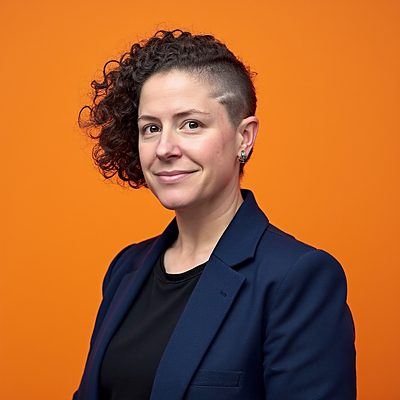
Guest
▶Full Episode Transcript
Chris Hutchins (00:06.247) Welcome back to the Signal Room. I'm Chris Hutchins, your host. Today I am excited for a conversation that is going to, I think, inspire all of you listeners. My guest today has a combination I have almost never seen. Dr. Sarah Matt is a trained physician and surgeon. she she's completed a Burns fellowship. brace yourself because it's gonna take in a little minute a minute or two. Then she went to the other side of the table. She's held a number of positions and it is The VP levels, C-suite roles, where she's done a lot of work across digital health and health technology startups, including one exit to private equity, which I I think is quite impressive. I I've not not known too many people that did that with with your background, which makes it even doubly impressive to me. But she served as a a chief strategy officer for a remote robotic surgery company. sh she's led product strategy for Oracle Health's. Clinical AI and digital transformation portfolio, one of the largest health IT platforms that has ever been. She's been one of the lead developers on that from really driving the strategy and helping to having a global impact, honestly, which is really, really remarkable. That portal in the rooms where policy gets written, technology gets sold, care models get designed at scale. Teaches healthcare AI at SUNY upstate in a Cornell. No, no, no free time. I think she's still seeing patients in a charity care setting. And where what what do you do after lunch?
Sarah Matt MD, MBA (01:50.334) Do we get to eat lunch? 'Cause that'd be great. I would love to have lunch on a regular basis. No.
Chris Hutchins (01:53.064) okay. Well, after lunch, I think she routinely w did a did a lot of writing and she's got a new book out called The Borderless Healthcare Revolution. It's a national bestseller. It's now required reading in executive education programs, preparing leaders. teleprompter's malfunctioning, but we'll fix it. Yeah, preparing leaders for AI adoption. She's also named a failure pattern that I want to spend this hour talking about a bit. It is something she's called pilotitis. Interesting topic because I know that we're all hearing these rumblings about the failure rates with pilots in healthcare. The condition where an organization runs pilot after pilot is really what this is getting back to, the pilot itis. And never it it does just never actually scales to anything. And and I know we're hearing it, but I really want you to hear it from an expert today. Sarah, welcome to the signal room.
Sarah Matt MD, MBA (02:55.768) Thank you so much. I appreciate it. I think that intro was way too long and I have way too much to say about that. next time it'll be shorter. We'll make it happen. You'll know me then.
Chris Hutchins (03:00.38) Ha ha.
Chris Hutchins (03:06.245) That's right. Well, let's let's get to get to some of the the early things that that I want to make sure people we we talk about. So tell talk a little bit about what you know, where where you started from. I'm sure you've got a got a number of things that influenced your decisions to go into medicine and have led you through the the various transitions that you've made over your career. And when I say transition, it's like not like going from one thing to the other. It's just keems seems to like you just keep adding. So we'd love to hear a little bit about that.
Sarah Matt MD, MBA (03:35.119) No, happy to talk about that. So, you know, I grew up east of Syracuse in upstate New York, a little village of 4,000 people. And I was that kid that did all the things because I enjoyed all the things. And so I knew from a very early age that I wanted to go into medicine and be a doctor, but there were no doctors in my family. And so I was the first doctor to go to med school, which was a big deal. And for those of you on the Who understand what it takes to get in medical school and go through the training. If you don't have doctors that are big supporters at the beginning, it's it's difficult. but you know, my my parents were very excited for me when I was growing up. My mom started as a postal person. So she delivered mail and she made it through the ranks and was in charge of a very large post office. And my dad worked at a small auctioneering software company. And so Humble means and we did we did great and I had lots of great opportunities. when I was in college at Cornell, I kind of was trying to decide if I want to be a large animal vet or if I want to go into medicine. And I can't remember if I told you this story before, but you know, I just remember being in a barn at 4 a.m. doing something with some dairy cows, and I'm alone in the dark and I hear. I'm like, that's it. I'm gonna die here in this barn. This is it. I'm twenty. This is it. The the peak. And it turned out it was a darn sheep with a cold. And I was like, that's it. I'm out. Goodbye, sheep. I'm done. And so it wasn't just that, but that was kind of the defining moment where it's like, all right, I think I'm good. I would like to not die from a sheep or anything else in a barn. I think I'm cool.
Chris Hutchins (05:04.274) Yeah.
Chris Hutchins (05:07.879) Right.
Chris Hutchins (05:29.169) I don't know how many people have had the experience, but when when it's pitch black, you're not expecting something. I mean, I have a pretty good size vertical leap in that scenario, but never in any not under any other circumstances. So let's hear a little bit about I mean it's an interesting path. So you go from the operating room, fast forward a little l later on, and now you're advising health systems on AI and
Sarah Matt MD, MBA (05:39.305) Ha ha ha ha ha.
Chris Hutchins (05:57.417) there's this part of it that you're still doing with patience. I mean, it just seems like a very broad area where you're not doing only one thing. There's just multiple things in in areas that most people would spend pretty much all their time dedicated to. So I'm I'm just fascinated to understand, you know, how you've made the transition and and what is it that just it drives you. I mean, I i it's clear to anybody who's pr ever ever spoken with you probably for a lot for more than a minute that you're really passionate and you're motivated and you've got a drive that's just sh it just doesn't doesn't quit. Tell me a little bit about that.
Sarah Matt MD, MBA (06:18.786) Mm-hmm.
Sarah Matt MD, MBA (06:36.366) Well, I know during my fellowship it was in Burns, it was half clinical, half research. And during that time, I saw a lot of insane patient situations because being I was in DC at Washington Hospital Center, which is now Med Star. So being the nation's capital's burn center, we saw all sorts of interesting things. but also lots of terrible things too. At the same time, I was helping them open a brand new burn research lab. And so I did everything from pipetting my thumb into oblivion to having pigs as subjects to, you know, moving equipment and learning how to do slide prep myself because we didn't have any money and it just had to be done. And so during that time frame, I kind of realized I had these different skills. You know, I was writing grants and getting money, and that's business cases. And I was doing all this complex experimentation and that's operations and project management. And so everyone around me complained so much about these things, but I was really good at them. And I kind of felt a little confined at the bedside because you can only take care of one patient at a time, you know, 20, 40 in a day max, and people die. You know, you don't always have great outcomes. But how could I scale myself and impact in a positive way hundreds, thousands, millions, millions of people? For me, it wasn't at the bedside. But I didn't really know what that meant. So, you know, when you're growing up in that system as a resident and a fellow, you're on an academic surgery track and that is the expectation, and that's what everyone knows how to do. but at the time, you know, way back then, it wasn't particularly accepted and supported because no one could see anything other than that. So Doctors are pretty much the dumbest smart people you ever know. So I had no skills except how to be a doctor. So I went back and got my MBA at UT Austin and learned where I could utilize my skills best. And I ended up having my first gig at next gen healthcare in the EMR space after that, which was a really interesting way to cut my teeth in product and cut my teeth in corporate management. But the rest is history.
Sarah Matt MD, MBA (09:04.204) So that transition was crazy, but it all makes sense in retrospect.
Chris Hutchins (09:13.565) I'd be interested to hear the your perspective on, you know, w once you once you got into working with with the EHRs, what was your initial perspective as you started to understand how it was built in designs? I I've heard repeatedly from from physicians that they did a great job with the capturing better and more accurate billing data, but really kind of didn't do anything except make our clinical workflows more difficult. Is that your perspective?
Sarah Matt MD, MBA (09:44.131) Well, I'm gonna date myself because I practiced on paper, I practiced on homegrown, I practiced on a combination. And so bringing it all to an EMR at that time seemed like an interesting prospect because of all the silos the other options had been. So I knew the pain and suffering of paper. I knew what it was like to run around the hospital like a chicken with your head cut off looking for an actual x-ray film. and I knew what it was like to have to Hope and pray that the person at the front desk of the hospital floor was going to put in your order someday today. And so it seemed like a great opportunity. The way it was put together was difficult because it was also during the times of meaningful use and the MIPS and Macra, et cetera. And so from a regulatory perspective, you know, my teams ended up having to put in all those certification requirements into the software. And the timelines were so short that the thing that got missed the most was the user's ability to use it really well. but being on that vendor side, I knew exactly why that was because the timelines were not something you'd attain otherwise. There just wasn't enough ability for the technology at the time to make up for it. So today, fast forward, here we are.
Chris Hutchins (10:52.093) Yeah.
Sarah Matt MD, MBA (11:10.048) And those are the foundations of what we're using today. You can't get rid of all that spaghetti at once. So if you're starting to build on a shaky foundation, of course there's going to be issues. Of course there's going to be trouble. But it's really hard, especially for newcomers in the industry, to be like, well, we'll just start from scratch. That's great. But you already have these behemoths and existing legacy systems that they've been using for a long time. Their data's there. Their workflows are there. So
Chris Hutchins (11:36.391) Yes.
Sarah Matt MD, MBA (11:38.593) Yes, things are much better for billing, and they always were, because back in the day, that's how we started. But then when we started making it needed for regulatory pieces, and then from a legal perspective, as the written actual record of the patient visit, now you have a lot tied up into the EMR. And not much of it is for the patient. And not much of it is for the satisfaction of the clinician, unfortunately.
Chris Hutchins (11:59.07) Yeah.
Chris Hutchins (12:07.473) Yeah, there's I I've heard that that expression in a number of different ways, usually not spun anyway anywhere near a positive reflection, unfortunately. yeah, I think it's i interesting timing wise. I d you I won't belabor this, but you talk about going all over the hospital trying to find an X ray film. that was one of my first jobs when I started I was still in high school, but my my mom worked in a in radiology department. So I was like working in the file room with that doesn't exist anymore. It was digitized. But I don't know how many times I was going on a wild goose chase because an orthopedic surgeon was in my face, all scrubbed and ready to go into the OR and he can't find the X-rays. I sneak out the back door, go upstairs and check with his assistant. She goes gets the films off his desk. Which was but I I I had the good sense to just say I found them, sir, here you go.
Sarah Matt MD, MBA (13:04.598) And thank goodness for that, right?
Chris Hutchins (13:06.693) Yep. I mean so I I I'm really excited to hear about your book. So the borderless healthcare revolution. I I think that there there's just so many perceptions around the border concept, but not I don't think in this in in the way that you that you're referring to it. So maybe talk a little bit about w w what's the argument that you make and and what was what's behind the story for you that that made you want to really sit down and write this?
Sarah Matt MD, MBA (13:35.353) So it's interesting. I think when we talk about borders, people think of geography and they think of countries or, you know, continents, counties, et cetera. But they don't think of the other kinds of borders. And so when I wrote this book, I did not just focus on geography because I've worked in all sorts of interesting places. I had a house call practice in East Austin taking care of homebound Medicaid, excuse me, Medicare patients and They were very close to the best healthcare in Texas, but they couldn't access it. And so there's reasons why. So I actually break it down into five different pillars: geography, financial, cultural, trust and knowledge, and digital. And if you think about the patient experience or even the provider experience or that system experience, usually it's something in one of those categories. So if you're a patient who's having a difficult time getting care, it could be transportation. You could just be far away. It could be you can't afford the copay. It could be that they don't speak your language and your cultural kind of heritage is not respected. So you can't get the care that you require. Or you may just have no idea what's going on because you don't understand it. So there's all these different reasons. And I think health systems tend to do the things that are easy to solve. Now hear me out on this one. You know, it's easy to make a line item for digital health. Great, yes, of course we'll fix that digital pillar. We're gonna buy this telehealth platform or whatever we're gonna do. But that doesn't mean you're gonna have trust so that people actually use it. That doesn't mean that people have the internet to actually use it. And so what I find is that systems will tend to look at one pillar, maybe two at best, but they really need to have a holistic system view so they can take care of their population. A lot of folks are really designing for that average patient in their population that doesn't actually exist.
Chris Hutchins (15:41.605) Talk a little bit more about that. 'Cause I think it it's a concept. I I know I've talked about it on on a few occasions, but I'd definitely love to hear how you think about it and w what that actually means.
Sarah Matt MD, MBA (15:51.373) Yeah. So, you know, on the product management side, working on the tech side, you have to build for someone. And some tech teams will name Joe Bob or whoever their persona is. Some people will try to use an example, some will make some compilation, but you can't create something that's just for Sarah, just for you, just for these individuals, unless it's a custom job. So when you're going to build something that's ultimately going to be scaled, how do you decide who to make it for. And oftentimes we tend to write about who we know. And especially an engineering team, it's you know mid 30s, white insurance can take off, great internet, great internet, you know, data on their cell phone, college educated, speaks English, all the things. And so if we in those teams tended to design for ourselves, it actually pushes a lot of people out that can't do those things. So if we're providing services or products that require you to do it between nine and five, there's tons of people who can't do that. And even in the healthcare system, you've got people on the night shift, all the different pieces. If you're assuming amazing internet and it's required, there's absolutely areas where you're not going to be able to hit people. And in rural settings, there's lots of lack of infrastructure to make that happen. So I consider this a design problem. You know, it's not the patient's fault.
Chris Hutchins (16:55.249) Yeah, for sure.
Sarah Matt MD, MBA (17:17.864) And especially when you have burnt out, tired clinical teams, it's easy to say people are noncompliant. It's easy to say that they're not engaged. But if we reconsider it as a design problem, then we can say, it's not the patient's fault. We need to build this product service solution workflow, you name it, so we can actually access them and they can access us.
Chris Hutchins (17:43.568) Yeah, I I it's a it's an interesting dynamic that I've seen over the years. And I worked in the financial side of healthcare for a lot long time. back in when I was working up in Boston and and it the it didn't it didn't really occur to me until I was at a I was at a conference, I I think was maybe in Chicago, but I was sitting next to a guy from from banking. We had the the the International Institute for Analytics is an organization that formed you know Probably fifteen, twenty years ago now, I think. but the the early days we we had retail banking and healthcare re from a research standpoint. We would get together one or two one or two times a year and talk about some of the challenges. And he just wanted this friend of mine, he he was in banking, wanted to kind of sit in on the healthcare conversation, and we started to talk about the metrics we were using. And he just leaned over. It's like, This is crazy. You guys are paying incentiv getting incentivized or penalized. based on how you measure up to a composite that is a whole bunch of average things that you're putting together, but there's never a human being that actually fits that profile. So how does it even make sense? And like not you're not wrong. But I mean that that is something that we've done for a long time when we're talking about how we manage it. Go back to the the origins of the the EHR being really about billing. But there there are just some really goofy things that we've built around things that are just not real. They're the best c best kind of way that we can think of to measure things. But I mean we've even deviated from our basic understanding that there's still this c concept called the practice of medicine, which implies there's an evolution. But the things we measure against don't seem to be evolving at all.
Sarah Matt MD, MBA (19:29.08) Well, I mean, it's difficult because let's add sport sports metaphors, you know, the goal line keeps changing. You know, there was a time where you didn't have to deal with billing, you didn't have to deal with a litigious society and malpractice. you didn't have to deal with people seeing other doctors in other states or having such complex care or having comorbidities that people actually knew about. And so over the course of time, everything has been more complex, but we've also become more complex. Our populations are more are more mobile. we have more complex conditions, we live longer. and we have a lot of different pieces that come into that, whether it's nutrition or environment or medications, you name it. So medicine has become more complex. Also, there's more technology because we can now do different things, more medications, we can do more more things, which is exciting. But you know, we also are in the United States and we don't have a single payer system. So it makes things complex because data here does not go there. You know, we don't have the best interoperability solutions for that kind of continuity. And we have an entire third party system around payments. And the incentives between payers, clinicians, and Health systems and patients is very complex and it's changed over the course of time. So a lot of folks are, you know, holding breath for regulation at the federal level or this or that. but ultimately every health system needs to understand their mix from a payer perspective, their actual population, their actual employees, and how those three legs of the stool can actually come together and be successful.
Chris Hutchins (21:20.145) Right. Something that obviously was was mentioned in in the opening about your book. And you know, you've de you've kind of predicted a specific failure that you gave it a name, Piloditus. I think that's a really interesting one. I've never heard anybody talk about it, but it sh certainly makes sense and it matches up with the the sentiment that I'm hearing and certainly what we're reading about how. how things are going in the healthcare space, but it's not even just healthcare or I mean, but the across the board it's it seems like in almost every industry where they're focused on the pilots, 85% of the time they're they're failing. But from a clinical perspective, what what does that mean w when you're when you're talking about a pilot that's kind of heading for a ditch and you've you you've already spotted some of the reasons that it might go there. what are some of those things that that you see that kind of Are glaring that people are just missing.
Sarah Matt MD, MBA (22:20.824) So unfortunately our incentives are kind of messed up. you know, we reward the executives and leaders who start something. We don't reward the ones who operationalize it and bring it to completion. And so trying the latest and greatest, especially when there's so many opportunities today, is exciting and new. And we reward that. What we don't reward is the consistent maintenance and
Chris Hutchins (22:27.08) Yeah.
Sarah Matt MD, MBA (22:50.062) processes to make it work at scale. And from a technology perspective, there's a lot of players today too, not just the big guys that you may already be integrated with, but newcomers, best of breed, you name it. And as a vendor, you know, they have things they're doing too. They're trying to bring in new things, new ideas, and their technologies also need to scale. So what I'd say is that from a Healthcare system and clinician perspective, we have to understand that our incentives may not be perfectly aligned. And then on the vendor side, you know, it's the same. People are trying to bring product out earlier and earlier, but it may not have what it needs at that moment to scale it properly with an organization. I'd say the other thing is, like I mentioned about making that line item for digital improvements, we oftentimes can buy the product and the maintenance costs.
Chris Hutchins (23:36.829) Right.
Sarah Matt MD, MBA (23:46.415) But we forget that the change management required to make it happen, the differences in workflow that need to be presented, and there needs to be consensus amongst various groups in the hospital system, that takes time. And it takes the specificity of your own organization. You can't just cookie cutter it. I know a lot of folks try to bring in the big consulting firms to cookie cutter it. I've seen that deck so many times, right? So it really needs to be your organization. building that change management muscle so that you can move forward, solve problems, and do it for the next one.
Chris Hutchins (24:24.702) You talk a little bit about that. so w we're we're typically accustomed to this traditional software development lifecycle that could be maybe a quarterly release or something like that. But more often than not, it's a major upgrade that you're waiting for. So things are kind of static, you know, from the day that you launch until the day you need to do it some sort of an upgrade. And you you probably run into some bumps and bruises and you've gotta make some adjustments, but there's no major shift that requires a revalidation of the the original concepts and features that you sign off on from a governance standpoint. They don't get revisited that often. So what what what's the what's the difference that you see between the traditional development timelines and approaches to what now we have to be able to be much more agile. To survive it even, let alone let alone be successful when you're dealing with AI and the pace that it it it evolves and trains.
Sarah Matt MD, MBA (25:26.646) I think a lot of it has to do also with trust and digital literacy. you know, it would be wonderful to have continuous deployment and ultimately have all of your updates as soon as they're available. but I think what we've seen too is that every large EMR, we'll use this as an example, no names, has customizations for lots of different things for different organizations where they've built out this, so we built out that. So it's not just updating. something like Word. you know, we're doing something on top of new code, adjacent code, all these things. And so you don't necessarily know how it's going to react. If we could burn the whole thing down and start from scratch, I'm here for it. And I'll call you before I do that. But we're all dealing with systems that have built on top of things bolted on different pieces. So it's next near impossible for a vendor To actually do the testing necessary for every single configuration that's even possible, because sometimes the systems don't actually know what they're really configured for because it's two people ago or you know, more skeletons in that closet. the other piece is trust, because everyone's been burned so many times by the last pilot that was supposed to fix the issues from the pilot before that. And so we feel like we must test. In our own environments, we must do this, we must do that. And so the adoption cycle is really slow because we've been burned before. And so I think really having the quality come out of the tech organizations directly to the healthcare systems with their technology to prevent those bugs, to prevent those issues and stoppages of workflow is hugely important because they've been burned before. So we have Crazy custom systems that are impossible to test against. We have people that need to trust it enough to not even have to test it. How do we make those two things happen? I think when we start from scratch, best in breed pieces, you know, both onset, you know, within their own loop, those we can test and make different. But when we are touching these large systems, we have to recognize that it'll be a slow process no matter what.
Chris Hutchins (27:47.927) That's such a critical point. I I I think that even before AI started to become a a part of everyday conversations, there's been this tendency to chase the shiny object. And you're through you're barely halfway through a pilot and then now we're talking about some other new shiny thing that somebody saw because the things are evolving and in and s in such a f at such a rapid pace. what's your observation been been like as you're seeing organizations kind of figure out how to navigate the transition, where you've got two problems. One is that shiny object thing, that that's just not going to fly. You you you can't make those kind of adjustments when you're dealing with an evolution in a in a pace that you've never dealt with before. and w what's the advantage to having a partner that actually is in it with you and sh has a lot of skin in the game to adapt and be building in a way that's responsible and can adapt to some of the eventualities that may come sooner than later versus the way it used to be before where you just you you you're comfortable, you know what you've agreed to, you're gonna put it in in six in probably six months, you'll be live. And yeah, there'll be some advancements that'll come in other technologies, but we're gonna marry this thing and we're gonna get it done. I just don't s I thought those things just don't often kind of meet in the middle, at least from what I'm seeing.
Sarah Matt MD, MBA (29:13.698) So I'm gonna address the second piece first. I think a lot of organizations on the software development side are doing less custom because then they can control the versioning and therefore can test better, advance it better, update it better. And I think that's actually very reasonable. whether an organization fits perfectly to that exact kind of workflow arrangement is the issue. they may be trying push a square peg into a round hole just because it works and those updates may not impact them positively. I think the biggest issue though is that oftentimes, and I I think the classic example is one of your executives goes to a conference, sees something cool, and comes back and announces we're using whatever it is. And they've defined the tool before they've defined the problem. And so I think that executive teams really need to dig deep and consider what are their most pressing problems.
Chris Hutchins (29:56.53) Right.
Sarah Matt MD, MBA (30:08.226) And which ones are the priorities? And I'm gonna say this out loud, and I got so many people who I need to hear this. Everything cannot be the priority, because then nothing's a priority. Right? Right? So, you know, it means that your IT team in a hospital, your supply chain people, your clinical departments, all their important things cannot all be the most important. You really need to rank them down and figure out.
Chris Hutchins (30:20.2) Hundred percent. That's right.
Sarah Matt MD, MBA (30:36.832) Where is our organization going to spend its time and resources today? Now again, you can have little things going on all over place, of course, but if we're going to make a real investment in not just funds, but in change management infrastructure and our ability to be nimble in that way, we need to decide what it's going to look like. So I think, yes, we need to figure out what priorities are, but also what are the problems that we're trying to solve? Not just we want to increase access or we wanna take care of patients. Like, what do you really want to do? How can you make that quantitative? How can you have real goals that are something you could aim for? so I think we don't define the problem well. We don't define what success looks like very well, and instead we go straight to the solution of a problem that may not even need to be solved.
Chris Hutchins (31:32.103) I I I don't even know how many times I've seen that scenario play out. but I I I do recall a CIO that b basically said that we you know, we are really about demand management. He said the company demands everything and we have to manage it. So you've got priority one with twenty six sub bullets with an alpha. I mean th that's just how it's been over and over again. I've never seen it be wildly successful. Usually there's a lot of a lot of pain and a lot of learnings that should have been better learned just by reading someone's first hand account of their own mess, as opposed to just giving it a shot 'cause we we didn't fail at it, so let us do it.
Sarah Matt MD, MBA (32:03.918) There's Lope.
Sarah Matt MD, MBA (32:13.806) But I think you know
Sarah Matt MD, MBA (32:18.222) Exactly. you know, I I think that goes to the point too, you know, we've had these long cycles of improvement, et cetera. And much of it is because our procurement governance is just that. We know how to procure a software solution. We know how to implement it-ish technically. but with today's technologies and the advancement of technologies, we need to have something that can be quicker, more nimble, et cetera. And so defining those problems. And defining what we're going measure everything against is really important. So the governance of yesterday's IT procurement doesn't fit AI. It's moving too fast. And it has a different need for monitoring and long-term planning. So when we think about what we're bringing in, what are those metrics we're going to measure everything against? Not, well, so-and-so wants it, but. Hey, how can we have the discipline to bring in things that meet our minimum requirements? What are those actually? What are things that we're going to do for everything that comes through the door to determine if it's going to be a solution that can work here? We have to be comfortable saying no. The last thing you want is a rubber stamp committee that looks at everything and says, sure, we can do a pilot. That's time and resources from your organization. Saying no is the hard part.
Chris Hutchins (33:29.586) Videos.
Chris Hutchins (33:34.61) Yeah.
Chris Hutchins (33:43.037) And s o oftentimes these these kind of decisions get made without the right perspectives. And you know, when you're talking about these pilots that you know end up not scaling, how much of that d do you think is really because this moment occurs where d design decisions are being made and just the the wrong people are in the room. And I don't mean that in a disrespectful way, but the people who really need to be part of the conversation and and have the insight are just not there to begin with when you're starting these conversations.
Sarah Matt MD, MBA (34:17.094) Well, again, going back to a kind of IT procurement process, if we're procuring technology, we're gonna check the security, we're gonna check the this, it has all the things that can work for their server, you name it. All right, go. But what it doesn't include is is the workflow efficient enough for our nurses at 2 a.m. when they're short-staffed? Hey, is this going to work during a power outage? What whatever it is, it's those not even edge cases, but uncomfortable, not everyday. you know, not during peak hours, things that have to happen and keep things moving. And so I think that the issue is that we try to let our technical people make technical decisions and they do. And usually the tech's not the problem. It's everything else. And instead we need to include clinical voices, financial voices, leadership voices from the beginning for that problem definition, for that, is this working with workflow? For that, what are we actually doing in our jobs every day? And what are the things that we don't even say we do because we know everyone underreports what they do all day? So when we think about those tasks and how we can solve the problems, there may actually be some very non-sexy solutions that don't involve a technical fix. They could be fixed by other means, but we haven't even considered them because someone brought a technology to the tech department.
Chris Hutchins (35:38.058) Yeah. No, it's interesting. I've a r a a real personal example that I that I experienced a few years ago that was kind of an aha moment, it shouldn't have been, but it was. I was at at a at a doctor's appointment and as I was walking out to the to to the waiting area to to leave, there's a s just a handwritten note on the inside of the door. It said patients should stop at the front desk before they leave. I turned the corner and the the nice lady at the desk says Mr Hutchins, when's the doctor wanna see you again in three or six months? And that like caught my attention because forever I was getting these requests to help with integrations of systems that don't don't talk to each other and all of that stuff. And it was always a problem because it was expensive to do. And in that moment I'm like, this is prime example of not having the right conversations with the right people in the room. A clinician knows their practice, they know the kind of cases they're going to see, and they know what protocol looks like. And they educate the people that are just doing the scheduling. Really simply, and it wasn't a system problem. They they didn't need technology. It just needed someone to think through it and actually have the conversation with the person who is best equipped with the answers to the to the challenge that we're they they're dealing with.
Sarah Matt MD, MBA (36:52.066) And I think probably when you think about it, the problem from the clinician might have been, I have no shows. That's my problem. You know, but the problem from the front desk staff is they can't find our desk. And I think, you know, we have to remember that simple things like signage, like you mess it you just mentioned, are non sexy examples, but it means someone can get to your office on time as opposed to being late just because they can find you. And so again, problem definition from multiple perspectives can be really helpful.
Chris Hutchins (36:59.774) Yeah.
Chris Hutchins (37:23.241) Yeah. It it kinda helps if somebody who's practiced medicine is somewhere near the conversation, I think, which that you know that doesn't happen as frequently as you as it should. and and I I think the interesting thing is when you actually have a seat at the table, the outcomes are very, very different. The the the adoption c conversations go very, very differently. but it it it's just it's way too often an afterthought, actually after the pilot's just about to flop.
Sarah Matt MD, MBA (37:34.936) Well
Sarah Matt MD, MBA (37:54.359) I think that we forget that we all speak different languages and have different expertise. And no one leg of that stool is more important than the other because we can't work without them. And so, you know, we've got big personalities on all sides speaking different languages, and we have to have that Rosetta stone of how we're going to bring technology into our organization, how we're going to do the change management. And I think that's why having really clear. AI governance, especially around clinical pieces, is so vitally important in a healthcare system. And it doesn't have to be fancy. It just has to be intentional and documented so that we can understand that people are going to be at the table at the right times, that there's going to be oversight, that there is a process, and we know how we're looking at everything that comes through the door, even the crazy tech that the executive brought back from the conference. We want to bring it through the same thing so we can say, here's the risks, here's the benefits. Here's a potential cost. Here's a recommendation. You can still do whatever you want, but we've done the work.
Chris Hutchins (39:00.381) It in your your experience you've been kind of on on both sides of it f for for sure, but don't just kinda talk a little bit about the procurement component of this. So when solutions are being assessed, oftentimes there's this at least the early exposure to it. But then when you go into the the f the real heavy lift when it comes to the procurement process, all the contracting that has to occur and whatever. Where have you seen that kind of breakdown? Because I I I've I've s I feel like I've seen on a number of occasions that some of the more critical conversations were the only place where clinical voices were not actually involved.
Sarah Matt MD, MBA (39:38.223) So it's interesting. I think a lot of times what gets messed up in contracting is the pilot to scale conversation. I always suggest to my, you know, clients on the commercial vendor side, what are those criteria that would change your pilot to a scaling effort? You should define those first. Otherwise, they may not have skin in the game and you may be having a lot of skin in the game. And again, same for the hospital system. Don't do a pilot, you don't plan to scale or don't see the potential that it could. so from a contracting perspective, consider this phase one. Don't consider it a pilot. Everyone thinks pilots are gonna be thrown away, but phase one means that we're anticipating a second phase and we're willing to do the work. The other thing I see is poor writing in the areas around data management and rights. And there's a lot of very standard clauses, especially in like electronic medical records, et cetera, for data usage by vendors, for training data, et cetera. But you have to be sure you're okay with that. And just because you've given them permission and now they're using a server here or this or that, it's still your responsibility because you had the patient information. So remembering that. The data is also owned by the patients. They just have no ability to access it other than what we let them, which is kind of a crazy thought. But be sure you're okay with those data rights, especially if you're doing co-development, because if you're building something like you mentioned before, how do you have that partner to build to what you need? You need to have that stuff taken from the beginning so that whatever you build is not going to indefinitely use your patient data and whatever you build isn't going to be commercialized. outside of your arrangement and sold your competitors.
Chris Hutchins (41:34.462) No, it it strikes me that the the the relationship that that evolves early on with a with a vendor partner. So you get through the procurement side, you've got a contract in place, but at that the the last really critical step, now all of a sudden the the clinical voice is not in the room. What is the cost from your perspective when things kind of go in that direction and then all of a sudden you've got a tool that's actually getting to the floor? And the critical voices were not there in w when they were actually needed the most. there's dynamics that I'm sure that creates between the the people who are actually trying to execute using the tool versus the ones who delivered it and are convinced it's the best thing.
Sarah Matt MD, MBA (42:19.212) I think that's the difference between the operational and economic buyers versus the clinical buyers and those kind of clinical champions. You need both. If you just aim at, you know, a doctor or nurse who's going to be your champion, you'll have someone who's really excited about what you're doing, but there's nowhere they're gonna get paid for or get it scaled. If you just have your CFO like blasting through something because of efficiency, and it doesn't have a clinical leader that is going to back it up and be the face with the other clinicians, it's also not gonna work. And so before you sign the contract, you need to have some buy-in because you can't have a successful pilot without a clinical champion. You can't if it's a clinical AI application as an example. Or if it's an RCM or whatnot, you need to have that champion who's going to take all the flack, help with all the pieces around workarounds and connecting back to the vendor, this or that. So you need to have that role defined because. Once you sign that, now you're stuck. And it means you're either going to have very unhappy workers or you're going to have employees. And again, I say employees because clinical, financial operational, whatever it is, that are going to work around it. Use Shadow AI, use old workflows, make their own workarounds with their post-it notes, whatever it is. And so unfortunately, your dashboards that show utilization may show great numbers, but it's not. because they're doing what they're supposed to, it's because they've essentially hacked the system so that they can actually get their work done.
Chris Hutchins (43:57.012) Yeah, i interesting. I've I've had some in fun conversations with s with a few different nurses over the last several months. And one of them said something really profound. She goes, Y the quickest way to find out if what you've designed well for the workflow, just take a look at the nurses station. If you s count them post it notes. Post it notes or th they will they will tell you if you've nailed it or if you're just way, way off. You're disrupting things. I hadn't really thought about it, but you know
Sarah Matt MD, MBA (44:16.654) That's a good point.
Sarah Matt MD, MBA (44:25.23) And that's the thing, people that are using these systems have big opinions. And so if you ask people for what they think, they will tell you.
Chris Hutchins (44:33.843) Yeah, there I apparently there are plenty of pain points because I don't think I've ever asked that question and not been given a list I couldn't finish. So yeah, there's plenty of opportunity for us to do better. I I want to kind of touch on something that I've heard you talk about a little bit because it's it's kind of near and near to me too. Is the pattern that seems to exist where a CEO is told by their CIO, whether that's innovation or IT, we can build that. What is that decision?
Sarah Matt MD, MBA (44:40.813) Exactly.
Chris Hutchins (45:02.353) end up costing an organization.
Sarah Matt MD, MBA (45:05.858) I think of course they could build that. It's all about can they build it tomorrow? Can they build it in a hundred years? Of course. Like we all I I could build it too. It would just take me a hundred years to do it, right? what most organizations lack is the honest maturity to say we are an organization to that can actually build something ourselves, or we have the maturity infrastructure center to partner well, or we have neither and we should absolutely Have a vendor that's going to provide all these pieces. Deciding between the three of those is difficult, but it also means you have to honestly look at what your true capabilities are, not what your visionary capabilities are. And that's hard because of again incentive structures. So if your IT team is trying to become super sticky because they want to have a place to be, like that, that's important. Of course, they'd say that you they're going to build something. So I think that that kind of I say. Build readiness is really important because you first have to decide, can we do this as an organization? And I think, you know, when you're thinking about implementing a new solution too, do we have the change management infrastructure to make this successful? And it might be a no. And you might have to work on something before you can make it a yes.
Chris Hutchins (46:25.597) Yeah, and do how how often do you see such situations where the the it's the right intention, but the the reality is that when you've got a team of people who are already occupied full time, presumably they're doing the things that are necessary, how often are you seeing the mistake of just adding layering on something else to people with the full plane?
Sarah Matt MD, MBA (46:48.663) like every single organization is doing something like that, right? I think it's easy to kind of describe it in a clinical lens because you always have a nurse champion or physician champion and they're seeing patients, but they're not getting dedicated admin time to actually do the workflow management and design to deal with the questions that are necessary to answer from peers around, you know, the initiative. And so when you're planning a big initiative like this. You need that person and you need to give them the compensated time to do the actual work. If you expect them to see even more patients and just add this on, you're gonna be very sorry because you'll have seen the patients, but you're not gonna get the other pieces in a fashion that's gonna reach consensus, have great adoption, and all the other things.
Chris Hutchins (47:39.595) Yeah, and I I think when I when we talk about total cost of ownership, I've seen so many different ways that people do that. rarely do you actually see the the the whole picture accounted for in those assessments. And I think the most glaring one that's missing usually is probably it's well it's two parts. One is the the staffing piece of it because it never seems to show up as a line item in the assessment, but there is a cost th you know for the existing staff that you already have if you're not putting a project team on and with you know putting capital behind it. But Even more important to me is the degradation of the level of support that you're accustomed to providing to your t your organization. And now you've got that degre degradation, and then over here you've got a I don't wanna be rude about it, but I just call it a a half assed development initiative that didn't have a shot to begin with. And I've seen that happen too many times. I mean, what what's your experience been and like have you seen that a lot as well?
Sarah Matt MD, MBA (48:31.63) Yes, I I certainly have. I think when you go from pilot to scale or you go to the next building or the next apartment, this is classic because when you're doing a pilot with a company, you're their white glove client. They have 24 hours support for you. They are jumping when you say jump, but once you sign the line for that long-term contract, you're now in charge of the maintenance. You're now in charge of the bug fix, whatever it is, or you know, you have to answer tickets. if there's a workflow problem, you have to deal with that. And if you don't plan for that, you're gonna be in trouble. Because now your clinical champion, as an example, they can't be the clinical champion for two buildings or two locations or 10 different departments. They can do their one. So you really have to plan on bringing those roles and similar pieces to other parts of the organization so you can be successful. And so I think it's I say change management infrastructure because you need to have a culture of change, which is hard, and then you need to have those components in place so that when you're making those plans, you can activate those.
Chris Hutchins (49:46.955) Yeah, it it's a it's a tough thing. I mean, I think one of the things that I love and respect about people that are that work in the healthcare in technology roles is they are passionate. And they're they're frankly some of the most brilliant people I've ever met. And their their intentions there are are are great. but there's that self-awareness piece of it when you have to start to realize that there there are things that you've never done. You may believe in yourself, and I think that's wonderful, but there's also opportunity costs, not that the organization has to deal with, but what's your patient gotta deal with? You're gonna deliver something 'cause you decided to build it yourself. You're gonna take two years to do that, but they can actually go to one of your competitors actually today and get even better service than what you're trying to aim at two years down the road. And I think that's a
Sarah Matt MD, MBA (50:34.798) But again, that has to do with the problem definition too. Like is our goal to improve this very specific patient outcome, yes, we can build it and we'll get it in two years, or yes, we can get it tomorrow. And there's pros and cons of both.
Chris Hutchins (50:37.621) Yes.
Chris Hutchins (50:49.012) Yeah, for for sure. I want to get to a couple of really important things 'cause we've been talking about the the role that you know, the the clinical voices ha really should have in these decisions. What are some of the things that you would say that a CMO or a CMIO should never hand over to our vendor? Because I know that that stuff happens for a variety of reasons, not usually because a physician had any say.
Sarah Matt MD, MBA (51:13.922) I think that ultimately you need to understand what your role is. So if you're in charge of X directive or you're going to be the person that's accountable when there's a patient safety issue, et cetera, you need to make sure that contractually you're in a good spot to do that. So as an example, say there's a breach. Your contract may say that the vendor may not have to tell you for 90 days if they think it's a a reasonable breach, but you need to tell. someone a lot sooner than maybe you have 30 days regulatorily. So you need to make sure, okay, if I'm in charge of true patient safety or the breach or whatever, am I going to get the information I need and the support I need from my vendor? Is that contractual or is it just a handshake? Because handshakes are nice at dinner parties, but they're not good for business. you know, so you need to understand where your support ends at the vendor and where yours needs to be. I wouldn't say there's anything you should never give to the vendor. It's more what do you need to happen? How is the vendor properly supporting you contractually to make that happen so that you don't end up in a spot where you cannot act if necessary. If I have to have this AI tool stop working now because we're harming people, how does that happen? And how is the vendor going to support me for that?
Chris Hutchins (52:39.656) I want to pivot to a a couple of different things as we r we're wrapping up. Governance has been something that's been thrown around for a very long time, usually without the c the context that it needs and it's because some well meaning people want they they they think we gotta do governance now, but we we introduce it and bring in high level people in the organization and it's an academic exercise. They don't we're not asking for any kind of governance because th we haven't got there yet. what are some of the things that th th that are important for leadership to understand now as you're starting to get into this mode where governance is not an optional exercise. You really have to have some frameworks that actually are operationalized. It's not a one one and done kind of review. What are some of the things that from your perspective, a framework really has to have accounted for and and before it actually can be really considered governance?
Sarah Matt MD, MBA (53:33.708) I think the first is recognizing what your IT governance has been.
Sarah Matt MD, MBA (53:43.193) I think the first thing we need to think about is what your IT governance processes have been governing successfully. So where are you? what's missing? And again, when we think about what's missing, it may be that there's clinical components missing. It might mean that there's continuous monitoring that's missing, which is necessary for AI. I think that we often default to whatever procurement and IT have been doing and just kind of add another couple sentences to the charter. But it probably makes sense to consider, okay, now that we're absolutely going to be using AI in financial, operational, and clinical settings, what does our AI governance structure need to look like? Are we going to keep it centralized? Are we going to make it more federated? Are we going to do a hybrid? And why? Why is that good for our business? And then I think the other piece is you got to name names. You can't just say the CMO is in charge of this or the IT director's in charge of this. You need to say Dan's in charge of this. He's a CMO or Shirley's in charge of this. She's a CIO. And having real names makes a big difference because we have a lot of turnover in healthcare, even at the executive levels. An executive tends to live in a role for four years max. Let's just be honest. So when we get to that point, if someone transitions to a new role within the system or to a, you know, a different place completely, it's harder to pass the baton from role to role than it is. From person to person.
Chris Hutchins (55:16.736) As we kind of wrap up here, I I wanna just kind of start kind of where we began and just to g get some some of your thoughts and what kind of insights that y y you're you're seeing that people are kind of surprised by as they they start to r to go through your book and understand the the the the concepts and the the the things that you're really trying to bring to the forefront so that they they have an opportunity to to get this stuff right. I mean this access is such a it's a big word, that gets thrown around a lot, but I don't know that it's g un understood in all the ways that it needs to be.
Sarah Matt MD, MBA (55:56.259) I think when people think about access, they don't think of themselves. They think of third world countries or people in the middle of nowhere. But I think that this book will help you recognize that you, your kids, your grandparents, you know, they're having a hard time with access today. And here's why. And how can we design for the least common denominator and get better access for us? And it actually helps all sorts of people at the same time. So it's not. Losing anything or spending money in areas where it's not needed, it's making healthcare better for everyone. And when we, you know, design for the non-English speaker, we have better results for the English speakers. When we design for low-quality internet, people who have good internet tend to have better experiences. And it's also usually good for business. The business of healthcare is important. Our margins are so low. We have to bring our patients in. We have to do procedures. We know where that income comes from. And if we want to run the business, there's really important business reasons why access can actually help us. So I think a lot of people think of access as a moral ground. And I'd like people to consider your own homes and your own families, but also how it impacts us financially as a business too. Because you'll see that there's actually really important reasons why it can help the business of healthcare.
Chris Hutchins (57:21.342) We we've kinda covered some things that are a little bit more on the on the risk the risk side of things where maybe we're not getting it right. But I I I'm sure that that you've got some some really interesting experiences and st in stories of where you've seen organizations actually get things right in the in with the use of clinical AI. maybe just share s a couple of the things maybe that you've seen that that encourage you and w what about those things should inspire people to To make some adjustments in how they approach things.
Sarah Matt MD, MBA (57:53.529) So I think the easiest example is around ambient listening and dictation because folks are finding it really useful in so many different care settings. the trust is pretty high because it's right in your note and people can change it. Okay, great. So the risk doesn't feel particularly high. But when we think about our patients and being a patient, the amount of true interaction and eye contact makes a humongous difference. not just for the patient's experience, but for the clinician's experience and the worthwhileness of connecting with that other human and providing the practice of medicine. And I think that that gives me a lot of optimism because in this case, we've helped not just the patient and not just the provider, but a lot of things. And there's these indirect benefits like the ability to have proper coding that's perhaps better than we would have had if we wrote the note ourselves. So I think I'm seeing technologies like that that are now being more broadly utilized and they're having a positive outcome that actually allows us to do the human things and allows us to not have to do the things no one wants to do.
Chris Hutchins (59:07.744) You know, I think the the the coolest thing I was as I'm like thinking about our conversation, obviously we we we spoke a a week or so ago as well, is that you're you're representing the the the clinical perspective in a in a way that's just really, really unique and I and I really appreciate what you're doing. In our conversation today, we've talked some about the clinical things, but it's really around the the way that you engage with human beings to get things right. And to to make sure that you're you're delivering on the promise, first to do no harm. Right. Right.
Sarah Matt MD, MBA (59:41.026) say the the tech is the easy part. I mean, people don't realize it, but the tech's the easy part. It's everything else that's the hard part.
Chris Hutchins (59:47.541) Yeah. But it's kinda it it takes somebody with the the insatiable drive that you seem to have to to to really make a difference. I love it. Well good. Well I I'm I'm told that that's actually a good thing to do. So I I I'm I'm happy to hear true you're able to accomplish that. I am very excited to to to hear what you get what you do next. this has been
Sarah Matt MD, MBA (59:55.694) I'm getting better at eating lunch at least, so there's that.
Chris Hutchins (01:00:14.814) tremendous for me. I I I've learned so much from you in in a couple of conversations and I'm really excited for for our listeners to be able to to hear from you. i if folks are looking for you, how how do they find you? And, you know, how do you like to to engage with people, whether it's your website or
Sarah Matt MD, MBA (01:00:31.342) Absolutely. So connect with me on LinkedIn. That's my primary platform. My website is drsarahmatt.com. And my book, The Borderless Healthcare Revolution, is out wherever books are sold. I also, as a sneak peek, have the companion workbook that's coming out on August 18th because I've had so many individuals want that accountability and the ability to act and do things throughout their reading so they can do the hard work. It's easy to read the book, but the hard work sometimes needs something extra. so yeah, so I'm happy to connect with people and my email is on the website and I I actually look at them and answer them.
Chris Hutchins (01:01:13.984) Love that. And for for for my listeners, I I will make sure that you have all this information in in the show notes. And if you've heard some things today that you may maybe haven't heard before, you you probably ought to re reach out to to Dr. Sarah because I have rarely had a conversation with with anybody f that that really is covering things from literally one end to the other, whether it's co you know, all the way through the continuum with technology. I don't I don't know how you manage to do this. You I think you must have more hours in your day than than the rest of us. but it's impressive.
Sarah Matt MD, MBA (01:01:47.504) You know, you know what it really is though, is that when you're doing things you're super passionate about, the time exists. And so that's what I do.
Chris Hutchins (01:01:57.748) Now see now you're gonna make people feel accountable for things. God I I love it. This has been phenomenal. And I I can't thank you enough for for joining me on the show and I I look forward to opportunities to continue to to work on some some really important things. I I just I have a s I have a hunch that we'll we'll find ourselves working on some things together and that that excites me. Can't wait for our people to hear from you and Again, thank you so much for coming on the show. Thank you for sharing your story and your perspectives. And it's gonna be a wrap for this episode of the Signal Room. So all of you, thank you so much for listening and I will see you next time.